

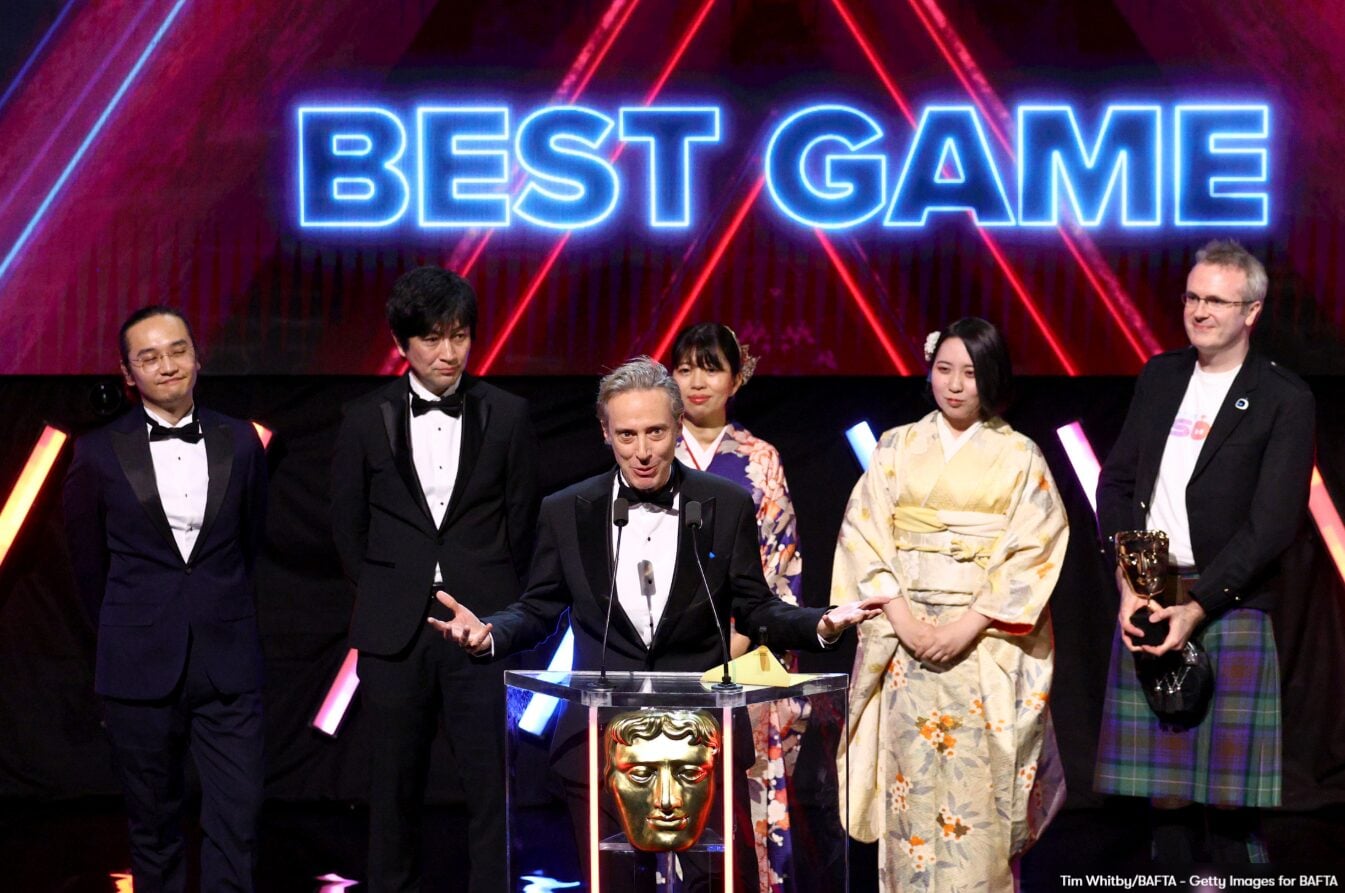
The chair of BAFTA’s Games committee believes that gaming’s critical hits could increasingly come from previously unknown studios, with debut games looking likely to make the headlines at this week’s big Awards ceremony.
The 2026 BAFTA Games Awards nominations, like other industry events, are dominated by Sandfall Interactive’s breakout RPG Clair Obscur: Expedition 33, with 12 nominations. Dispatch, the debut superhero narrative from AdHoc, is second with nine nominations.
Combined with another indie hit, Dogubomb’s puzzle title Blue Prince, it means that half of the titles in the running for Best Game this year are debut titles (and Embark’s viral shooter Arc Raiders could’ve made it four, had its release plan not been switched with 2023’s The Finals).
Big, blockbuster games are present, of course – the leading nominees are Ghost of Yotei (8), Death Stranding 2 (7), and Indiana Jones (6) – but broadly, they’re less dominant across the BAFTA categories than in recent years. In total, 17 studios are nominated for the first time this year, and even nine out of the 12 nominees in the performance categories receive their first BAFTA nomination.
Games chair Tara Saunders told VGC that the increase in debut projects was likely due to the current disruption in the games industry, which has seen many large studios close, shifting the focus elsewhere, while those formed during the COVID-19 goldrush will only now be ready to release their projects.
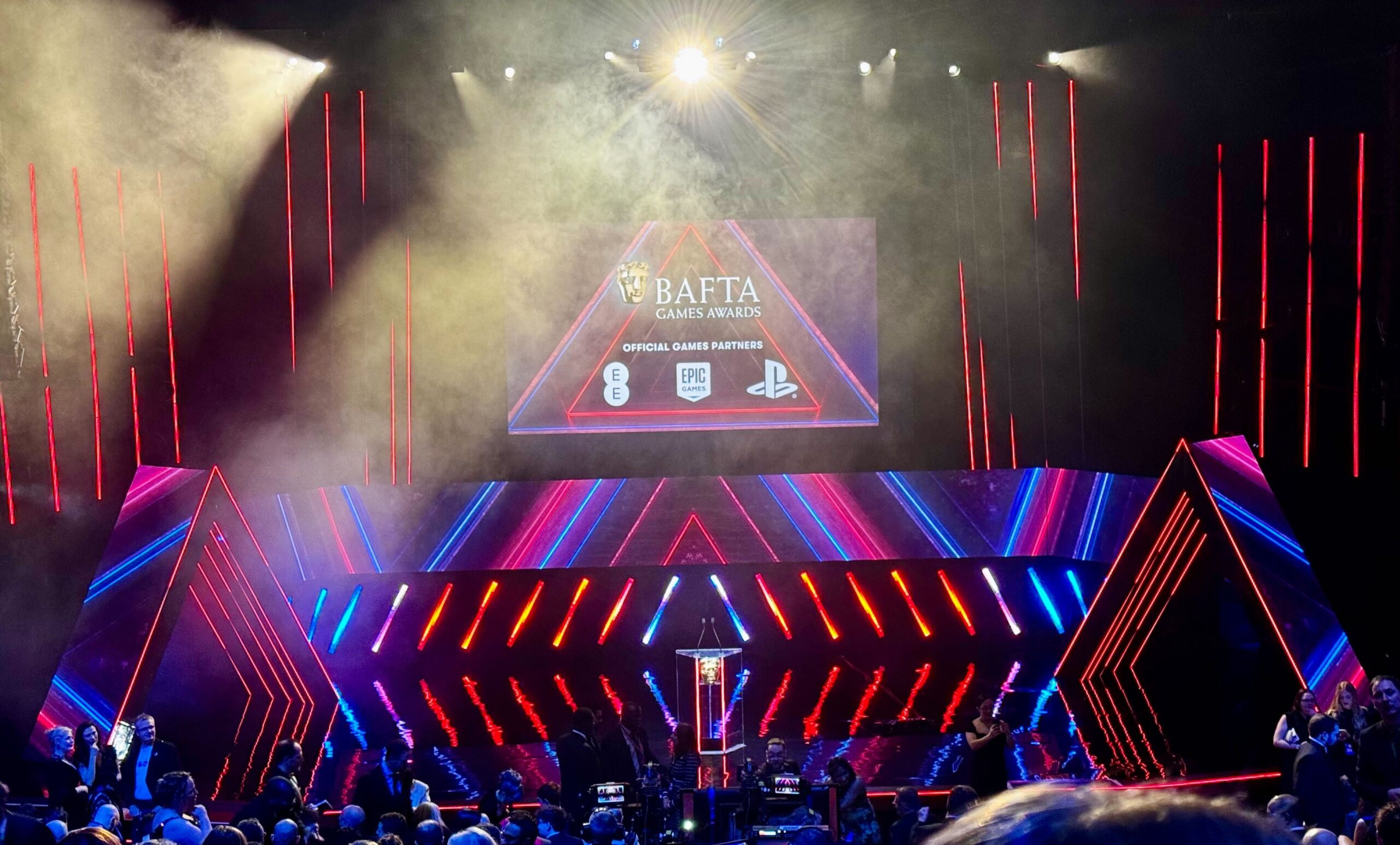
“I think there’s a high chance [we’ll see more unknown winners] because of the turbulence that has come from the industry in the last couple of years,” she said. “I think the studios that are forming now from very, very talented people will go on to be the big studios of the future.”
She added: “But I think there’s space for everything. I really do. When you look at the nominations that we’ve got now, there are a lot of things that are up for a lot of awards, like Clair Obscur, Ghost of Yotei, Indiana Jones, and Death Stranding… These are all big, big, big titles.
“But there’s also a real blend of smaller games in there as well. And I think what we’ll see is almost a bit of everything, because teams of all shapes and sizes, big and small, have broken down.
“I think there’s a high chance [we’ll see more unknown winners]… I think the studios that are forming now from very, very talented people will go on to be the big studios of the future.”
“Now, smaller teams are forming, and what we’re seeing is actually talented groups of maybe veterans that have been in the industry going off and sparking something new. What they will do without some of the constraints they worked with before, I think, is exciting.”
Saunders, who is also the UK studio head of Divinity developer Larian, said she’s trying to remain positive amid a backdrop of continuing cost-cutting across the games industry, where thousands of developers continued to lose their jobs in the last year. The games boss said she believed the industry was in a phase of “shedding its skin” and evolving into its next iteration.
However, BAFTA is not brushing the issue under the red carpet. Saunders used her opening speech last year to acknowledge the turbulent instability and job insecurity in video games – something she would have been all too aware of in her previous role as head of PlayStation’s London Studio, which was shut down in 2024.

BAFTA, she said, can use its position to support the industry not just by celebrating its high flyers on its one big night of the year, but also by providing a year-round support network for its members. “I believe that the passion of the games industry allows it to constantly reinvent itself. And I think that’s what we will see. But, actually, there are a lot of people in games that will be worried about that,” she said.
“And I think when it has been a difficult time, the BAFTA socials and networking events have genuinely been an anchor for people who have been at risk, and they’ve offered kind of real support and a release valve during, I think, difficult times.
“Friday’s hopefully going to be a really great night. But the awards are just one moment, and BAFTA is there year-round supporting the industry. BAFTA’s role is bigger than just celebrating the awards.
“I believe that the passion of the games industry allows it to constantly reinvent itself. And I think that’s what we will see. But, actually, there are a lot of people in games that will be worried”
“Winning or being nominated for a BAFTA, moments like Larian have had, can really help secure funding or elevate the studio’s profile and save jobs. And that’s really important… It’s a moment for industry peers to look each other in the eye and just validate their hard work and remember why we make games in the first place. I think that is, to me, the essence of what BAFTA and the awards bring together.
“We’ve been doing a lot of talking about this as the committee. So, this is not just my thought, but it’s a summary of why we believe BAFTA matters. It’s the full circle of the celebration of the awards, but then being there as an academy to support and learn from each other in between is really important.”
One suspects, however, that in its role supporting the game development community, BAFTA will soon have to tackle the issue of artificial intelligence. Generative AI is a fast-developing and intense issue in games, with some industry workers understandably concerned about the technology’s potential impact.

For an awards event run by an arts charity, it feels like there’s possibly a more immediate debate to be had about where the line is drawn, if at all, when it comes to considering games built using generative AI. This year’s most nominated game, Clair Obscur: Expedition 33, recently had an Indie Game Award rescinded after it emerged that the game used AI during development for some art assets – something that organizers outlaw.
There’s no mention of generative AI in BAFTA Games’ 2026 submission rules. However, Saunders suggested that it would consult its members before considering a potential stance on future Awards.
“It’s such a hot topic. And it’s not one I’m going to get into the depth of in this meeting for sure, because I think there’s such split opinion on AI,” she said.
“We know that there’s probably one-third of game workers who use AI as part of their day-to-day job. And it is something that nobody can ignore”
“We recognize that there’s a robust debate taking place around AI and game development. And I think as an awards body and as an academy of professionals working across many disciplines within the games industry, as well as film and television, I think we have to listen closely to the variety of perspectives that are out there on the subject.
“But it’s not up to us to lay down how people use it. We know that there’s probably one-third of game workers who use AI as part of their day-to-day job. And it is something that nobody can ignore.
“But I think it’s not really BAFTA’s place to come in and make a stance on it. That’s something that will be shaped by the members. We have a broad membership, which means that we have lots of different opinions and we have to listen to them all and not rush into anything.”
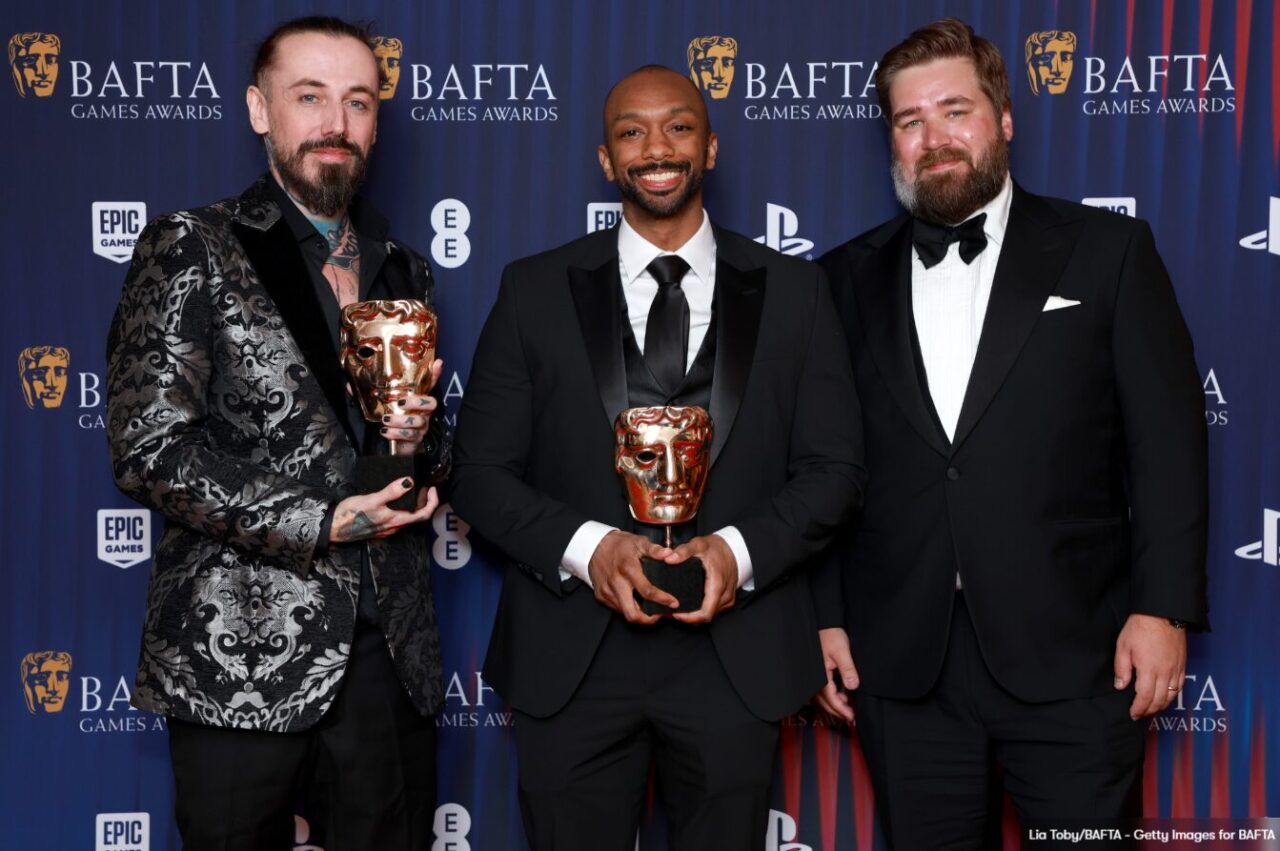
The most significant change to BAFTA Games’ voting process this year is the introduction of more ‘craft chapters’ for categories related to art, audio, and performance (design and tech already had their own chapters).
That means groups with expertise in these specific areas have helped vote for the nominees, as opposed to the wider BAFTA membership, with the aim of improving the quality of the winners in these technical categories.
However, listening to BAFTA’s messaging, it sounds like the focus of the event is increasingly about those outside the awards as much as those on stage collecting them. Its chair recognizes that grim news headlines increasingly sideline the people who make the games industry what it is, and she believes that the charity can provide some uplift during a difficult time.
“It’s been a sticky couple of years for the industry. There’s no getting around that. The way I look at it, ours is an industry in constant flux. It always has been. I’ve been in it 25 years now, and I think it’s always been changing. Platforms have changed, genres, themes… They come and go.
“It’s been a sticky couple of years for the industry. There’s no getting around that. The way I look at it, ours is an industry in constant flux.”
“And I think even though players and developers keep changing the industry as a whole, I believe it will always prevail. I feel very confident about it.
“The games that we’re seeing even now, like last year and this year, they’re games, some of them that have been years in the making. So there’s this like where we are, as I said, in five years time off the back of what’s happening now. I think it will be a very exciting and different shaped industry.
“A lot of people in games will be worried about that. And I think that’s why the BAFTAs to me is so important. I think championing the excellence in craft and creativity and creating that special moment, I think, through the actual awards themselves, where we come together and recognize the very best of that shared passion for the last year or couple of years.
“It will have taken a lot of resilience to get there for sure, but I think it’s going to be really exciting to see what’s coming out.”
The 2026 BAFTA Games Awards will take place on Friday, April 17 from 2.15pm ET / 7.15pm BST, streamed live on YouTube and Twitch.
Interviews#BAFTA #Games #chair #believes #Awards #offer #hope #year #filled #newcomers1776346999
