

At Capcom, Hiroyuki Kobayashi helped build franchises like Dino Crisis and Devil May Cry, as well as original games such as P.N.03 and Killer7. Now, more than 25 years after his first credited game (as a programmer on Resident Evil 1), the producer is relishing the challenge of creating an original IP once again.
“Since this is not part of an existing franchise, everything started from zero,” Kobayashi told VGC in a recent interview. “The studio itself was also built from the ground up, including the development environment and assembling the team.
“It certainly came with its challenges, but through that process, we were able to bring together highly motivated creators—both internally and externally—who shared a desire to build a new IP. We also had the freedom to shape our own development process and define how we wanted to create the game.”
That game in question is Stupid Never Dies, a vibrant, relentless action RPG with a bonkers narrative and equally mental combat gameplay. “This is a title aimed at core action gamers—something that might have been difficult to propose as a new IP within a large publisher,” Kobayashi commented.
Stupid Never Dies is the debut title from GPTRACK50, a small, Osaka-based studio comprised of around 30 core creators. Kobayashi prefers to work in a small team so that he can stay closely connected with everyone involved, he said, but the studio is also working with more than 150 external contractors to get the game done.
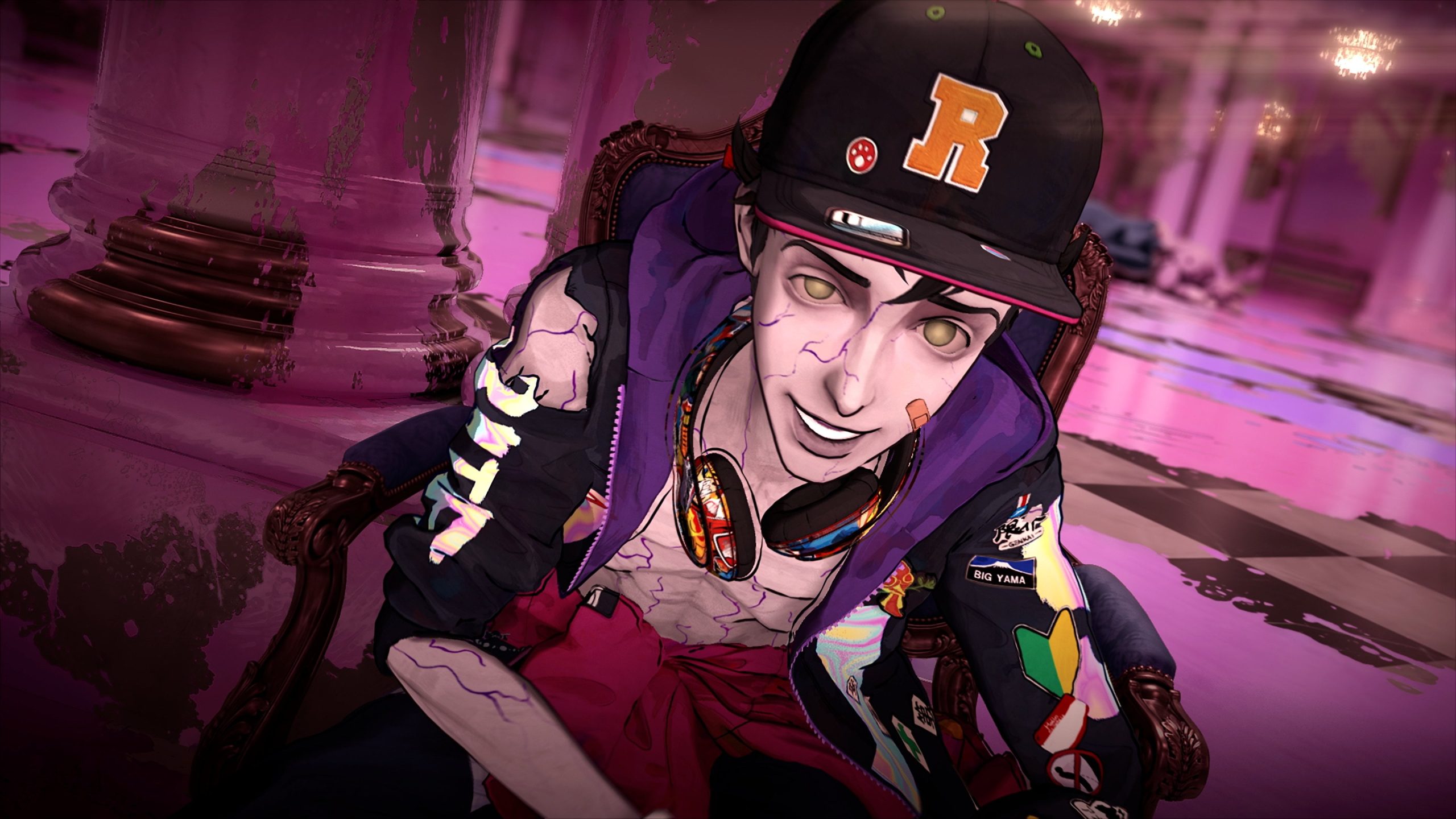
Set in a world decimated by a Great War and now filled with monsters, Stupid Never Dies stars Davy, a timid zombie at the bottom of the monster social chain. When Davy discovers a human girl frozen to death in a freezer, he falls in love at first sight and decides to do whatever it takes to revive her.
To complete Davy’s quest, players must dive into a dungeon in a run-based setup, leveling him up as they progress, acquiring new combat abilities, and gaining new equipment to customize their play style.
“The more monsters you defeat, the faster Davy levels up, creating a noticeable sense of momentum with each run,” Kobayashi explained. “This growth boost brings a different rhythm to every playthrough, and the further you push forward, the more intense and exhilarating the action becomes.”
He continued: “From the planning stage, we hoped to create something that might resonate with Western action gamers, spark interest, and gradually reach players in Japan and other regions as well. If players—especially in the West—come to connect with the characters and story, that would mean a lot to us.”
“This is a title aimed at core action gamers—something that might have been difficult to propose as a new IP within a large publisher.”
He continued: “To differentiate from other action games and create something unique, we designed it as a hyper offense-focused action game, which we call ‘Funky Zombie Action.’ It’s all about attacking—relentlessly pushing forward.
“Since Davy is a zombie, there’s no need to fear death, and he recovers by biting into enemies and ripping their energy away. This creates a gameplay loop centered entirely on aggression.”
At the core of Stupid Never Dies’s combat is the Style Eat system. During runs, Davy can eat ‘elite enemies’ and obtain their fighting style, which he can then store and switch to seamlessly during gameplay. There are more than ten styles in the game, each with its own characteristics, such as long-range, short-range, speed-focused, or power-focused.
You can see each of the styles in action via our exclusive gameplay below:
According to Kobayashi, Stupid Never Dies is designed so that players can read enemy behaviors and traits, then adapt their approach accordingly. The idea is that players will be able to experiment with different combinations and land on unexpected synergies and combos along the way.
The idea is clearly that players will be able to go on repeated runs through the dungeon and experience compelling gameplay changes each time, like a Roguelike. For example, each style has a pool of five possible skills, and players will be assigned one randomly when they acquire the style, adding unpredictability to runs.
When players fill a hidden gauge under certain conditions, they’ll be able to activate a special ability called Davy Burst. When triggered, it significantly boosts attack and defense, pushing Davy into an all-out, high-energy state.
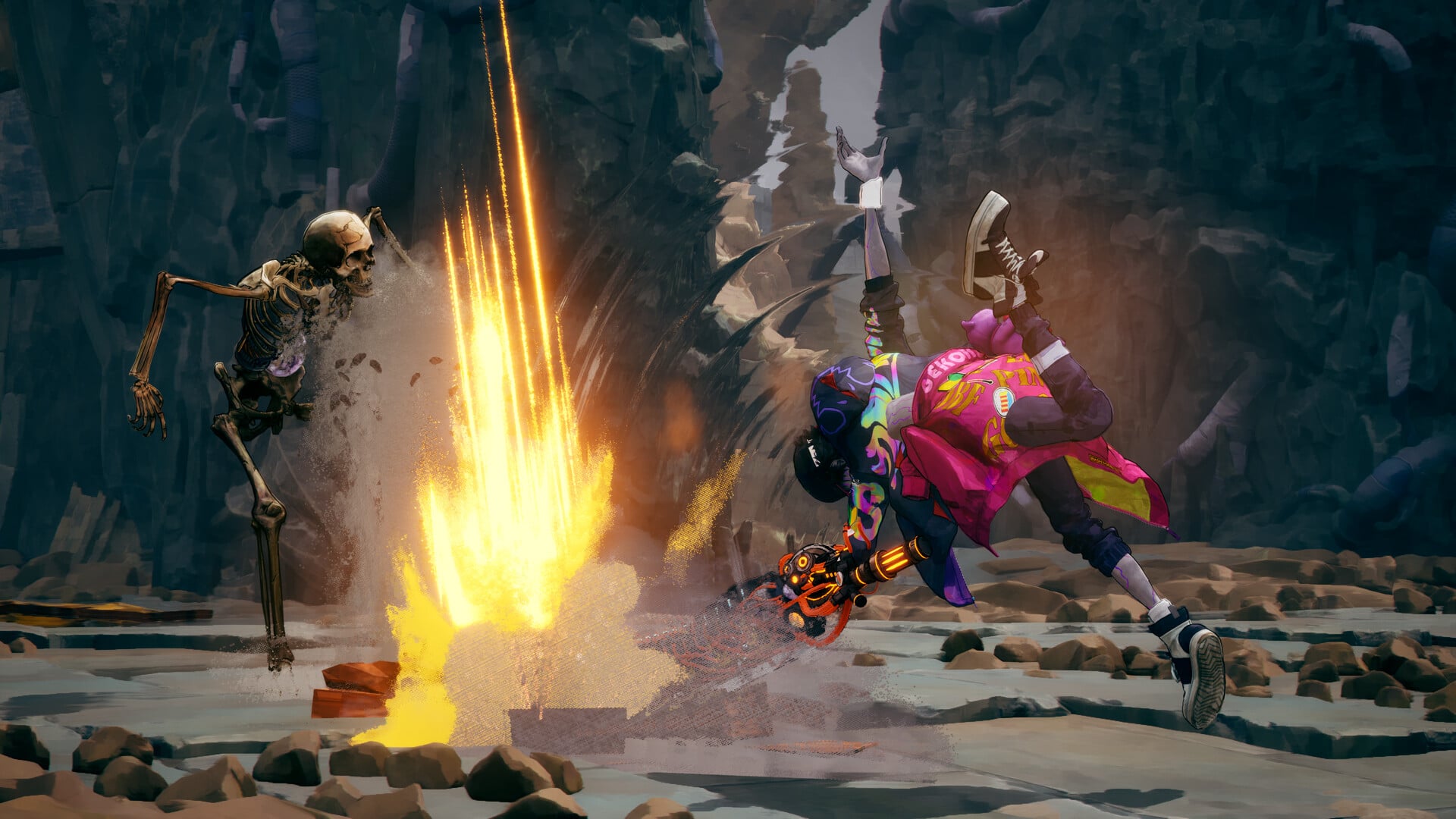
“Visually, it erupts into a bold, imagination-driven spectacle—bringing Davy’s inner world to life in a flashy and over-the-top way,” we’re told. “Players can also further enhance the effects of Davy Burst, allowing them to shape how powerful this moment becomes.”
The main source of strategy comes from the game’s second core gameplay pillar, Body Hack, a progression system that sees players collecting and assigning ‘OT’ parts from monsters. During the game, you’ll be able to use them to create OT gear and equip it to Davy’s body, such as his left arm, head, right arm, and legs.
The NetEase Question
The zombie-elephant in the room is, of course, GPTRACK50’s parent company, NetEase Games. Since the studio was established, NetEase has effectively set fire to its international games operation, closing countless startups before they had a chance to ship their debut game.
Recently, it was reported that Nagoshi Studio, the new developer from Yakuza’s lead creator, is facing closure due to its owner pulling funding. Another NetEase developer, Suda51’s Grasshopper, was recently able to ship its latest project, Romeo is a Deadman, albeit with no mention of its parent company.
Kobayashi didn’t comment directly on GPTRACK50’s status under NetEase, but reassured fans that the project will make it to release.
“Development is progressing steadily, and we’re seeing a clear path toward the master version,” he said. “We hope to share the release date with you in the near future, so we’d truly appreciate your continued interest.
“As we move forward, we’ll keep sharing more about the game—and as a brand-new IP, we would be genuinely grateful for your support as we continue taking on this challenge.”
“Alongside these systems, there are also elements of persistent progression that enhance Davy’s core parameters over time,” Kobayashi explained.
“What makes it exciting is that equipped OT gear persists even when switching Styles, opening up a wide range of synergies between gear and different Styles—encouraging players to experiment and discover their own unique combinations.”
However, the producer conceded that, in hindsight, this might not have been the best idea for his small team. “Looking back, considering the sheer volume of work involved—not just in terms of art, but also system implementation—it might have been a bit too ambitious,” he laughed.
“We also put a great deal of care into the UI design, which led to an incredible level of detail… and, as a result, an equally incredible amount of work. That said, it was something the whole team genuinely enjoyed working on, and I think that energy really comes through in the game.”
Between Itsuno’s Lightspeed, Kamiya’s Clovers, Mikami’s Unbound, and now Kobayashi’s GPTRACK50, fans of Capcom action game producers are eating well right now. And if all of those projects end up looking as vibrant and unique as Stupid Never Dies, then it’s going to be an exciting few years for fans of the genre.
For more info on Stupid Never Dies, visit the game’s Steam page or X account.
Features#Stupid #Dies #Capcom #veteran #Kobayashi #relishing #chance #build #bonkers #zombie #action #game1776376268
