

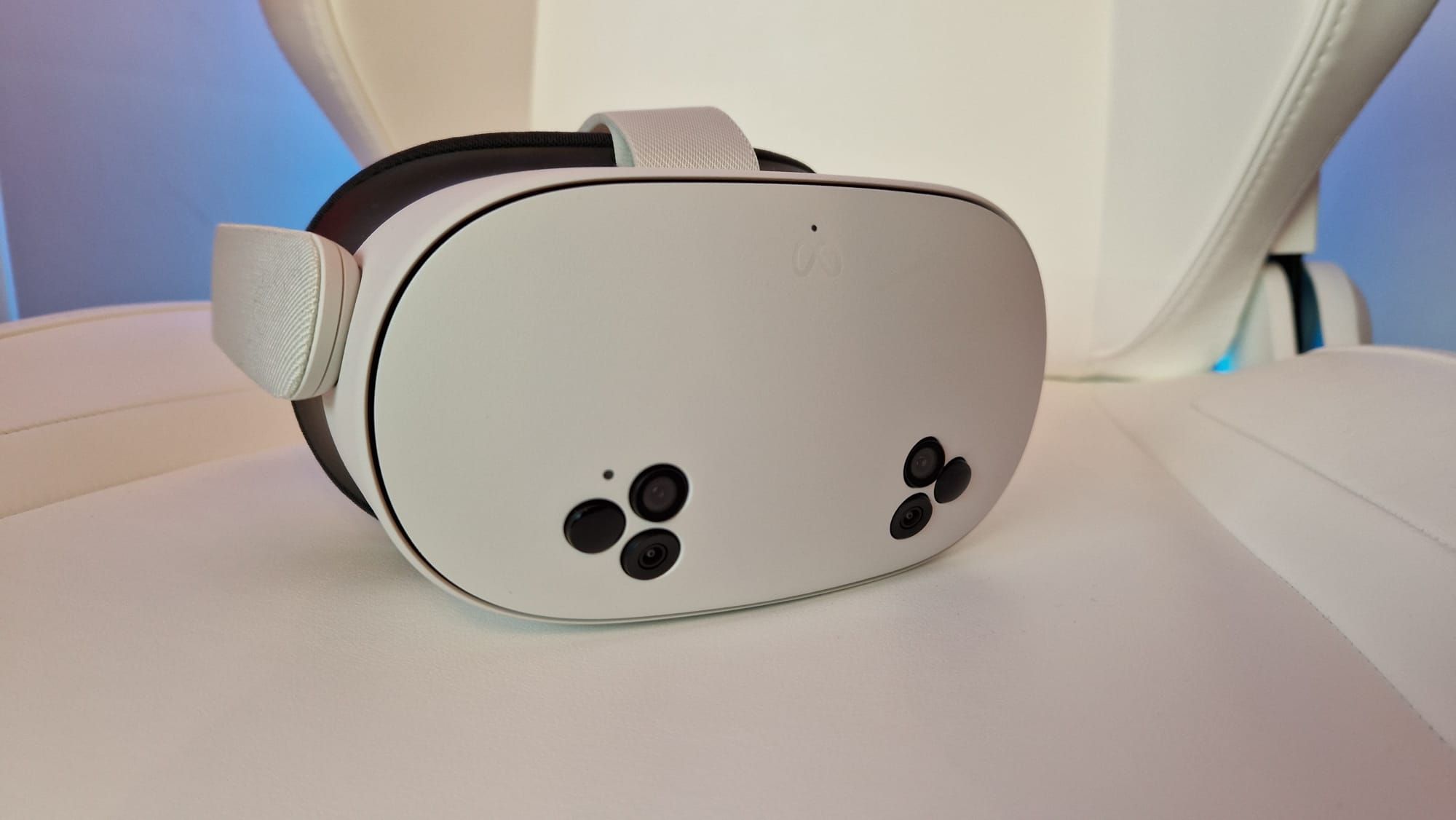
Meta has announced that, following months of layoffs of its VR workforce, it’s raising the price of its VR headsets. In a statement made at the end of last week via a blog post, Meta said, “Starting April 19, 2026, we’ll be increasing the prices for our Meta Quest 3 and Meta Quest 3S headsets.
“We’re making this change because the cost of building high-performance VR hardware has risen significantly. The global surge in the price of critical components — specifically memory chips — is impacting almost every category of consumer electronics, including VR.”
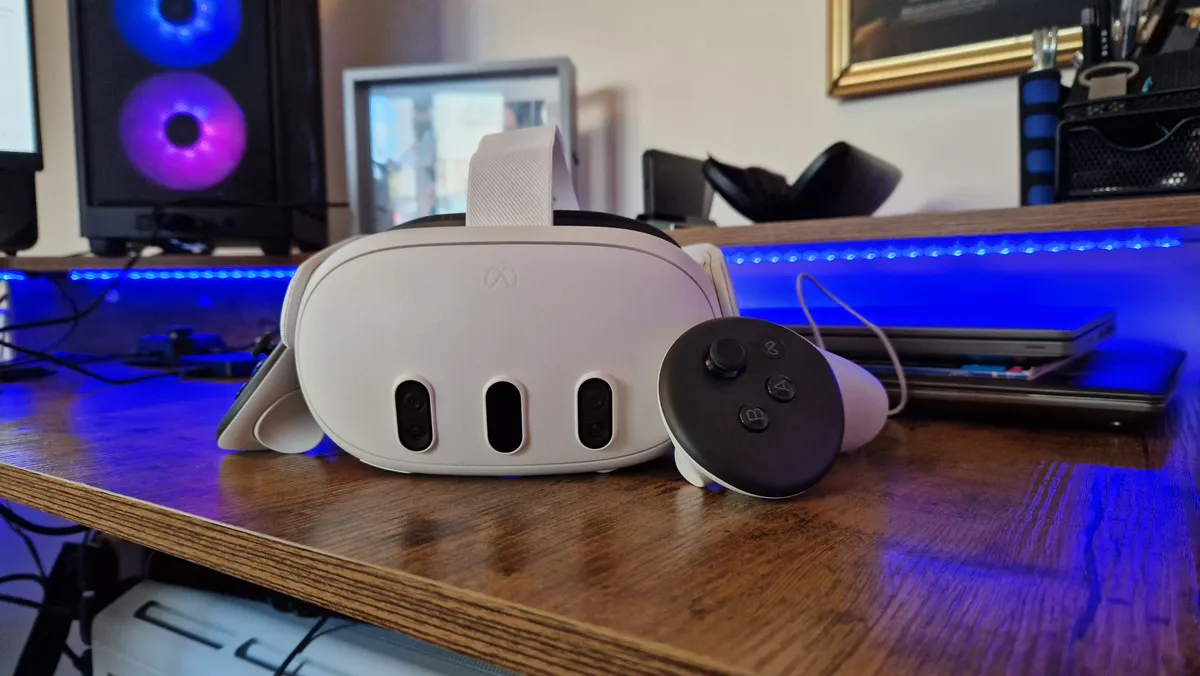
The new pricing for the Quest 3S headsets will bump them up by $50, while the Quest 3 will see a more significant increase. That brings the most affordable Quest 3 128GB SKU to $349 (up from $299), the 256GB up to $449, and the full-fat Quest 3 is seeing a full-fat price hike up to $599.
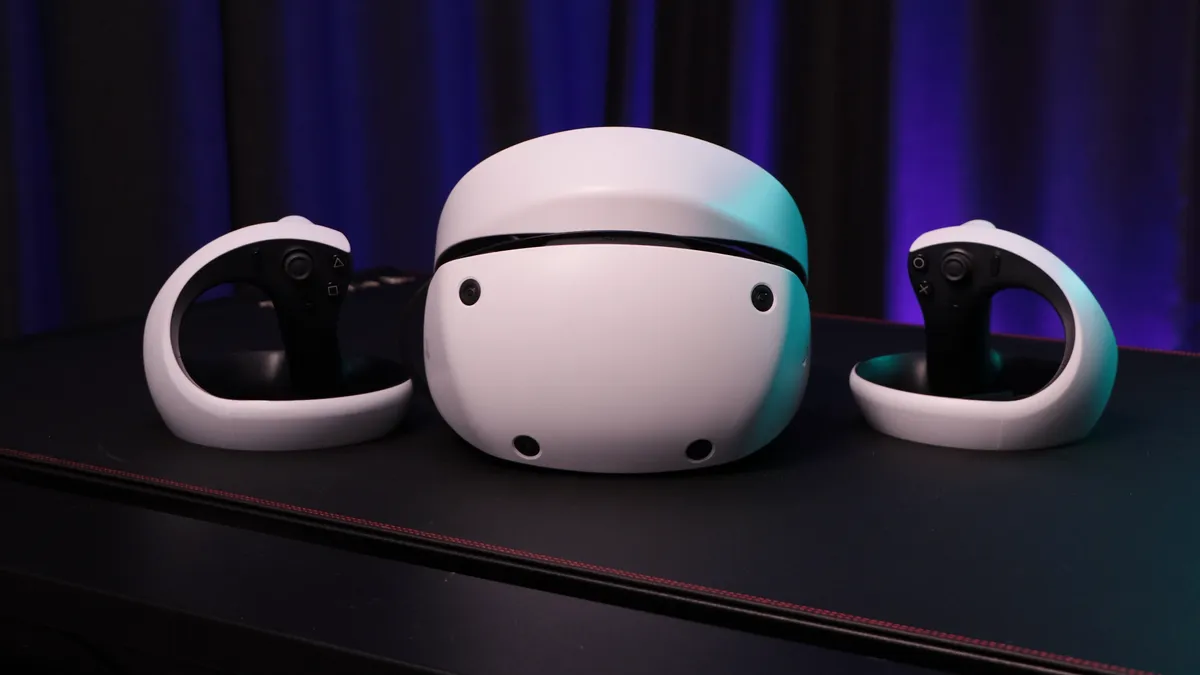
This does now mean that PSVR 2, while not a standalone headset, is even better value than it has been since Sony lowered its price.
PSVR 2: $399 at Best Buy
Some would say this price increase has been long overdue, as it’s long been speculated that Meta has been selling its Quest 3 devices at a loss in an attempt to get on the faces of more users.
In the same blog post, Meta emphasised its dedication to the VR market, which certainly feels like a pre-emptive counter to what many are saying: that it’s leaving VR behind in favor of AI.
“Meta remains committed to investing in VR and leading the category because we believe this is the future of computing. We have a long-term roadmap full of new hardware and experiences, and this adjustment helps us stay on track to deliver that future.”
Of course, with new competition from a massive player in the gaming space in the form of the Steam Frame, Meta isn’t the only one eying up this tech sector. Even as we await confirmation from Valve about how much its headset will cost, I can’t help but feel this price increase from Meta plays right into Valve’s hands.

I’d fully expect the Steam Frame to launch somewhere between $500-$1,000, and thanks to RAM shortages causing inflated prices, I’m no longer optimistic about which end of that scale it’ll land on. I had no delusions that the Steam Frame would be more affordable than the Quest 3 or 3S headsets, so it was really a question in my mind of how much more expensive it would be.
In my eyes, the smaller the price difference between those devices, the better Valve looks, because, for its more convenient gaming chops, it doesn’t cost much more than the value and budget options from Meta that don’t have the same sort of Steam integrations.

With this price change, Meta is essentially going to make Valve look like a better alternative to folks who can afford to stretch their budgets. Then again, I don’t think Zuck’s Reality Labs workforce has much choice but to play to the current market conditions. Not only have layoffs been a public-facing speedbump for Meta, but mounting pressure over social media regulations, lawsuits, and a shift away from a pricey Metaverse strategy is leaving the Quest hardware more exposed than ever as a form of revenue.
$50 and $100 price increases aren’t massive, and they certainly don’t make too much of a difference in the buying decisions of a lot of gamers in the VR market (until Valve gives us an update, at least). The Quest 3 and 3S are still some of the best value options after these price hikes, although I do wonder how it’ll impact deals and discounts as the year goes on. With other VR brands like Pimax and Pico looking at the higher-end VR market, Meta remains one of the more affordable options.
For more on VR, check out the best Meta Quest accessories and the best Meta Quest deals.
VR,Hardware#quotWe #adjust #pricingquot #cost #Meta #Quest #rising #plays #Valve039s #hands #Steam #Frame #launches1776757128
