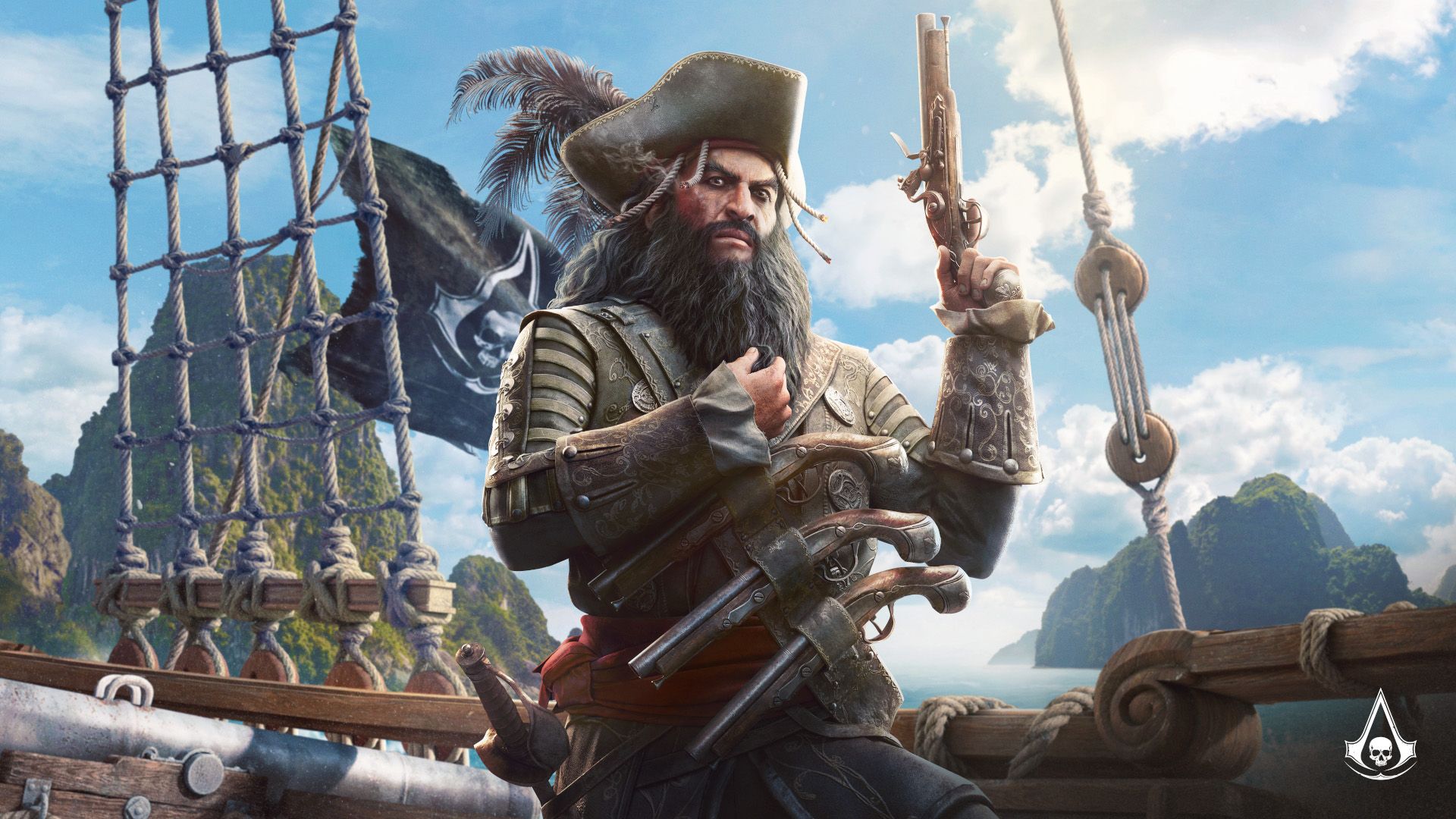
The long-expected reveal of Assassin’s Creed: Black Flag Resynced, a “ground up” remake bringing the pirate adventure up to modern standards in July, brought a surprising and bittersweet reveal with it: Ubisoft Singapore is leading development.
You may remember this particular studio – as PC Gamer spotted, one of many working on Resynced – for the long, long development of Skull and Bones, a different Ubisoft pirate game. Pertinently, Ubisoft Singapore was also among the fleet of original Black Flag developers.
Skull and Bones ironically began as an expansion for the original Black Flag that would build on its popular naval combat. Through 10 years of production shifts and delays (and more delays, and then even more delays), it morphed into what its Steam page now calls “an open world naval action RPG” with live service trappings like seasons and battle passes.
Article continues below
Unlike Skull and Bones, Black Flag sold and reviewed pretty darn well, hence its incoming remake. It’s oddly fitting to see Ubisoft Singapore return to the ship that started it all after a rocky decade and change – which, to be fair, also saw the studio work on a medley of other, well-received Assassin’s Creed games.
The two games are almost emblematic of the eras of Ubisoft. If you cut the company open like a tree and stopped to count the rings, Black Flag would be part of a much more golden age. But for several years, Ubisoft’s many studios have struggled to produce a hit, let alone meet investor expectations. Through its protracted production issues, Skull and Bones always felt like the perennial example of things gone wrong, and was easy to point to.
Assassin’s Creed: Black Flag Resynced, especially with Ubisoft Singapore at the helm after some hard times, feels like another bid in Ubisoft’s proposed turnaround (which has notably been built atop thousands of layoffs).
The 5 biggest changes coming to Assassin’s Creed Black Flag Resynced.
Weekly digests, tales from the communities you love, and more