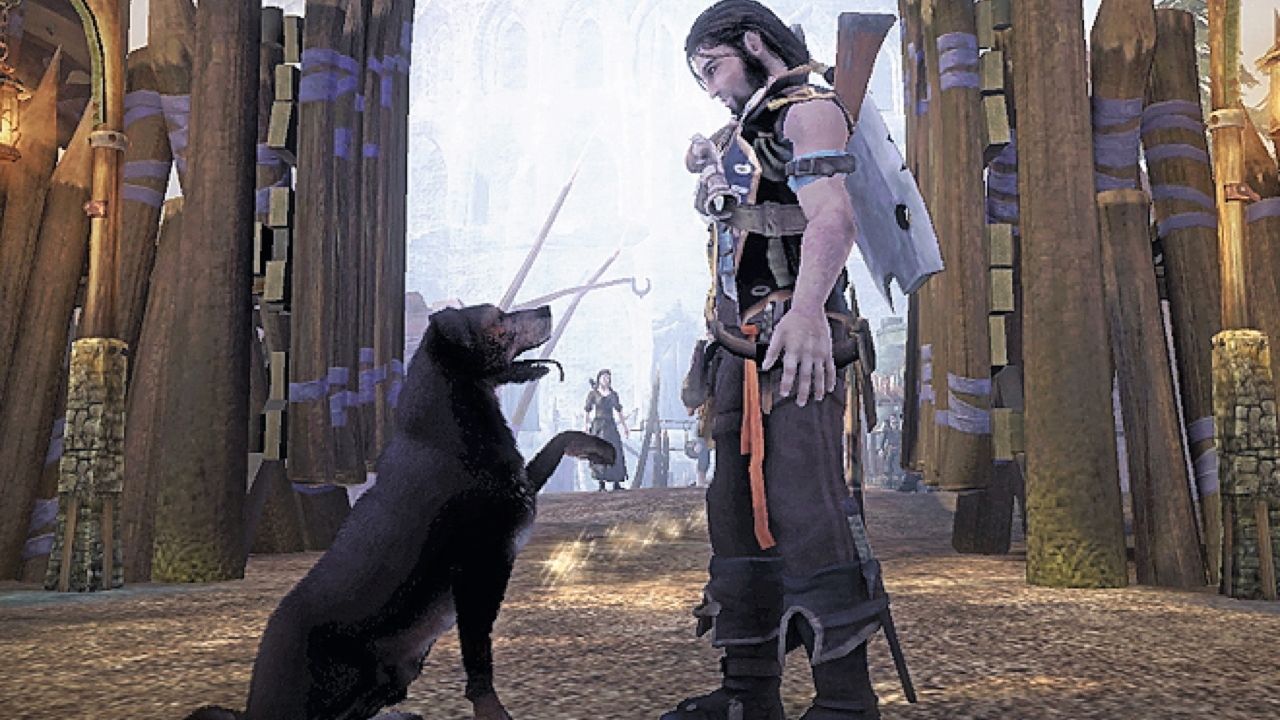
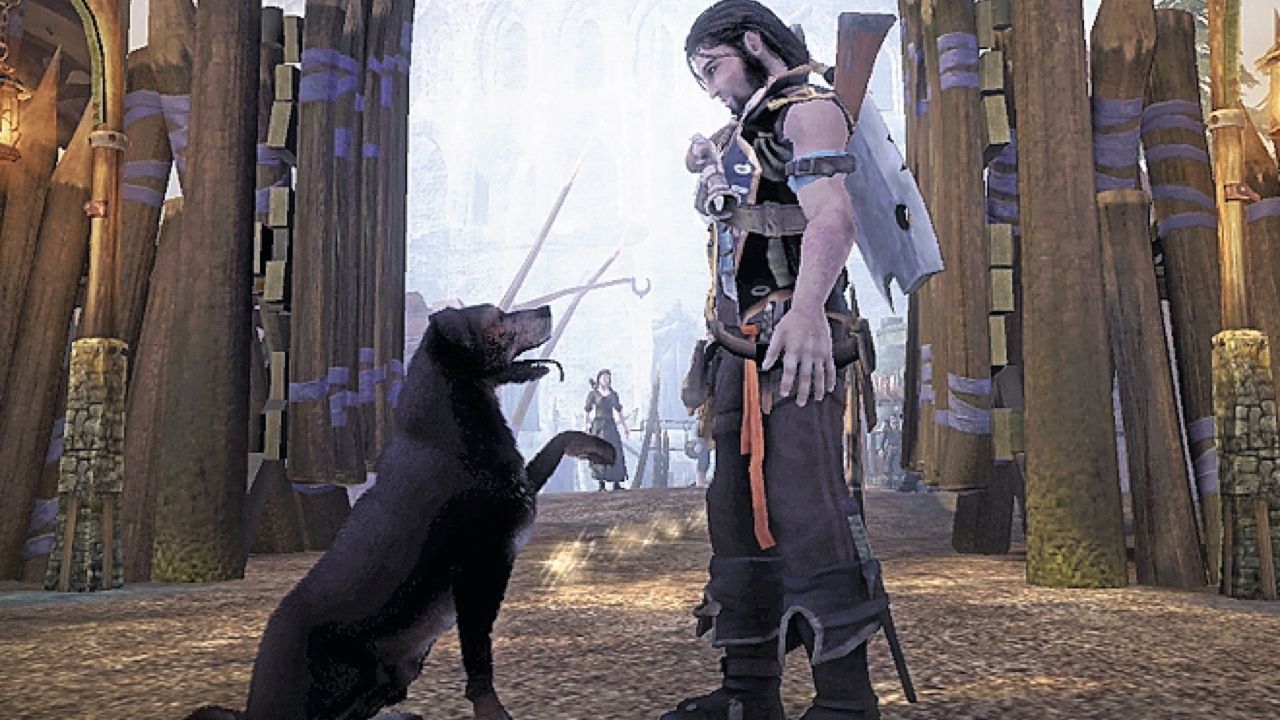
The way Fable 2 handles death – or doesn’t, shall I say – was shaped by the developers’ experiences playing The Legend of Zelda and World of Warcraft.
Fable 2 has a pretty unusual approach to dying, even now, almost two decades on from the Xbox 360 RPG’s launch. When your hero’s health bar completely depletes, instead of ‘dying’ and then reloading to the latest save point, your character simply props themselves back up with a few new, sometimes stylish scars.
A no-death system would be odd enough these days where AAA games largely try not to rock the boat too often, but it was especially jarring during the height of the Xbox 360 generation, dominated by gloriously sweaty shooters like Gears of War and increasingly violent RPGs like Fallout or Dragon Age. So how did it come about?
Article continues below
In an interview originally published in Edge Magazine, now resurfaced in last month’s book Playmakers, former developers recalled how director Peter Molyneux and studio co-founder Mark Webley “were playing Zelda at the time, and noticed that they never died, and that they didn’t mind.”
Designer Dene Carter remembered the two leads thinking that “people only stopped playing a game forever after they’d died,” so removing death entirely “came from that desire to keep people playing without a break for as long as possible.”
It wasn’t without pushback from other Lionhead devs, though: “There was a lot of eyebrow-raising about the no-death feature, internally,” Carter added. “Several people argued that people who don’t have a reasonable level of game competence, or who don’t have any interest in mastery, don’t tend to buy consoles. But Fable’s audience wasn’t ever supposed to be the stat-lovers or hardcore grind fans. Fable was never about ‘can you do it?’, but ‘how will you do it?'”
“We had lots of philosophical discussions about what death meant,” Molyneux himself said. “We were looking at games like World Of Warcraft and their respawning mechanics.” Sessions in the MMO first sparked another subversive idea of reincarnating players as the soul of other characters, but it ended up making combat “a little less exciting.”
Weekly digests, tales from the communities you love, and more
Eventually, Molyneux won out, and other devs agreed. Former dev Simon Carter said “Fable was always meant to be about the experience rather than the challenge, so removing the tedium of having to replay the same content ultimately made some sense.”
This year’s upcoming Fable reboot looks like a pretty faithful modernisation of the original fairytale classic, but we’re still waiting to see what happens when the hero’s HP hits zero. Meanwhile, Peter Molyneux’s latest Masters of Albion brings him back to the god game genre he pioneered.
Xbox wants Fable to have Diablo-level cutscenes as Matt Booty casually reveals Blizzard is helping out with the RPG reboot’s cinematics