

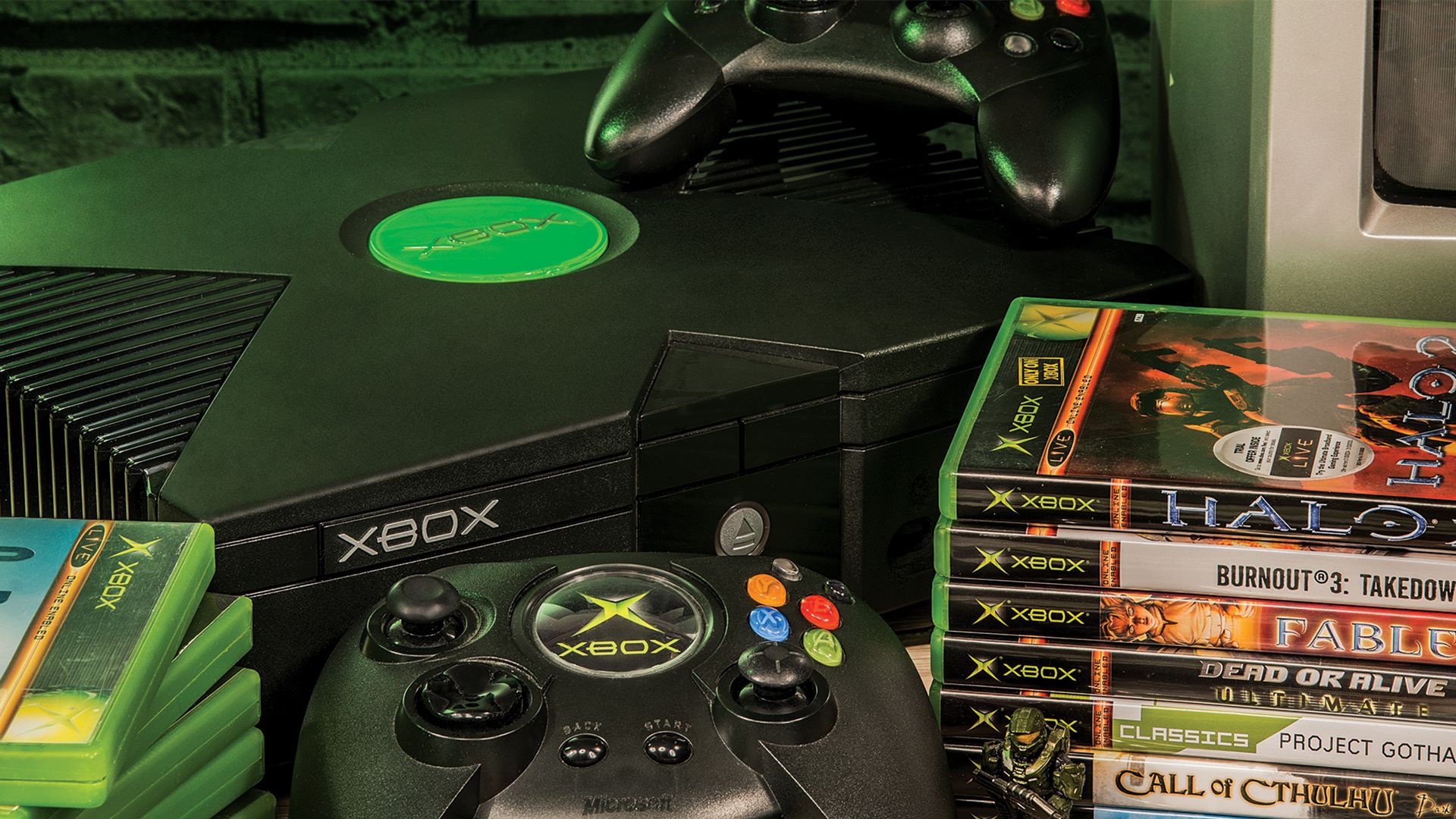
Xbox’s next-gen console, currently known as Project Helix, is set to bridge the gap between consoles and PCs. Microsoft has been vague about the details – other than the fact that it’ll play “Xbox and PC games” – but rumors have long suggested that this machine will have some version of Windows running underneath the hood. To Ed Fries, one of the key creators of the original Xbox, it sounds a whole lot like the idea the console was building around in the first place.
In a new episode of The Expansion Pass podcast, host Luke Lohr remarked to Fries that “Project Helix sounds so much like the original vision for the Xbox.”
Article continues below
The actual Xbox, which launched in 2001, “ended up being somewhere in between,” Fries says. “It architecturally still had a lot in common with the PC. The CPU was a CPU you could have put in a PC. The graphics card was a graphics card that could have been in a PC. But really – this happens a lot in tech, by the way – it’s like you have a great idea, but is it the right time for your great idea?”
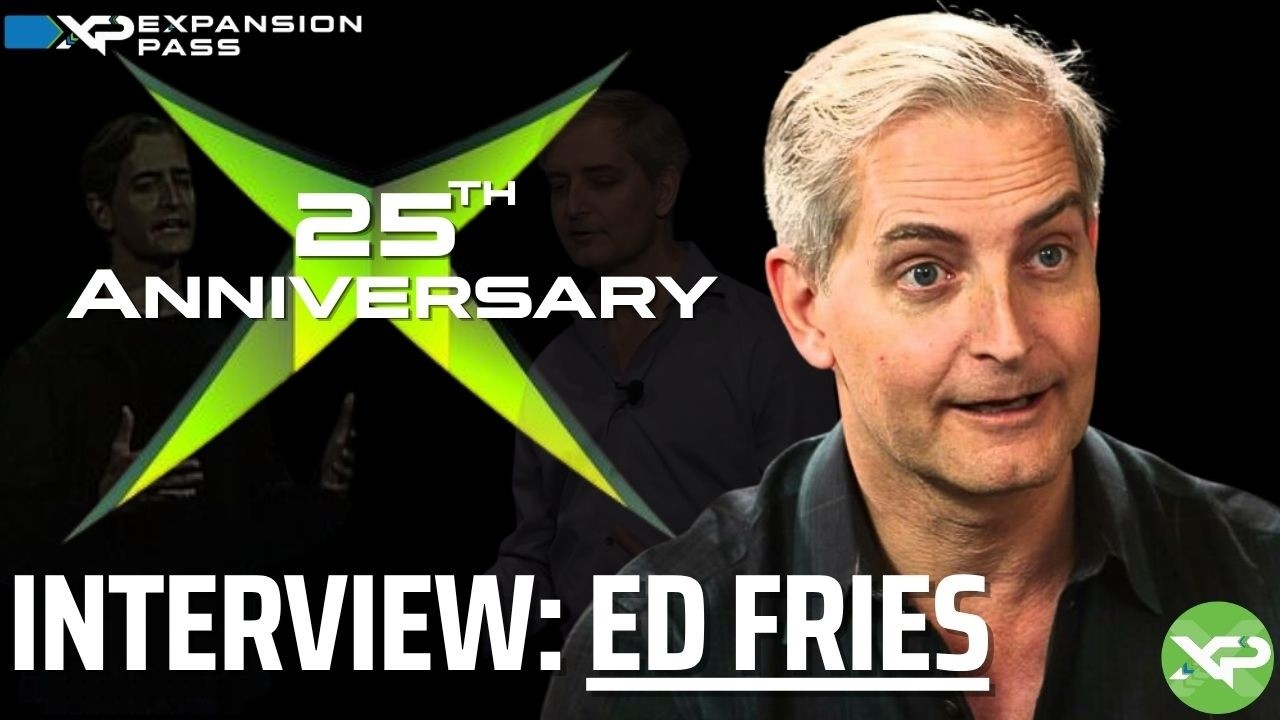
Watch On
These days, the best gaming handhelds are equal parts PC and console, and devices like the Steam Machine are further bridging the gap. You can plug a controller into your computer and expect it to simply work, and there’s even cross-play between many PC and console titles. In 2001, things were very different, and each platform offered distinct types of games for wildly different audiences.
Fries mentions the design challenges of bringing PC-style games to console, and while Bungie had incredible success making FPS games console-friendly with Halo, Microsoft was struggling with its own catalog of titles like Age of Empires and Flight Simulator. The real problem with this PC-console hybrid approach, though, was a technical one.
“The reason it didn’t work is because we were still really constrained on system resources,” Fries explains. “In particular, RAM. Any bit that you had allocated to the operating system was a piece you couldn’t use in a game, and game developers desperately needed every little bit they could get. That was ultimately why – because we talked to a lot of game developers as we were building Xbox – why we did what we did, which was shift into something that was much more custom and had very low overhead as far as the operating system part goes so that we could give as much of the machine as possible to the game developers.”
Yes, Fries does note the irony: the big constraint preventing the original Xbox from being a PC was a lack of RAM, and now that the Xbox-PC crossover console is finally happening, we’ve got a pricing crisis on the stuff. “We’re in some weird glitch of the global economy where RAM is expensive again,” he says “But still there’s a mind-blowing amount of memory in my phone, in my PC, whatever. Even though we still never have as much as we would love to have, we still have way more than we had in the past, so it makes it possible again to think, ‘What if we could make a machine that was great for both?'”
Ultimately, Fries reckons that the original Xbox concept was simply ahead of its time. It’s only now, as hardware has become more capable and the design gap between PC and console games is nearly non-existent, that the idea can be made a reality. Of course, Project Helix now has to deal with the fallout from all the rakes Xbox has so gleefully stomped on over the past decade, so even if the time is right technically, it’s hard to say whether it’s right in the hearts and minds of players.
Maybe it’s time to dive back into the best original Xbox games ever made.
Hardware,Xbox,Platforms#Xbox #meant #PCconsole #hybrid #console039s #cocreator #Project #Helix #quotvery #similarquot1775720768
