

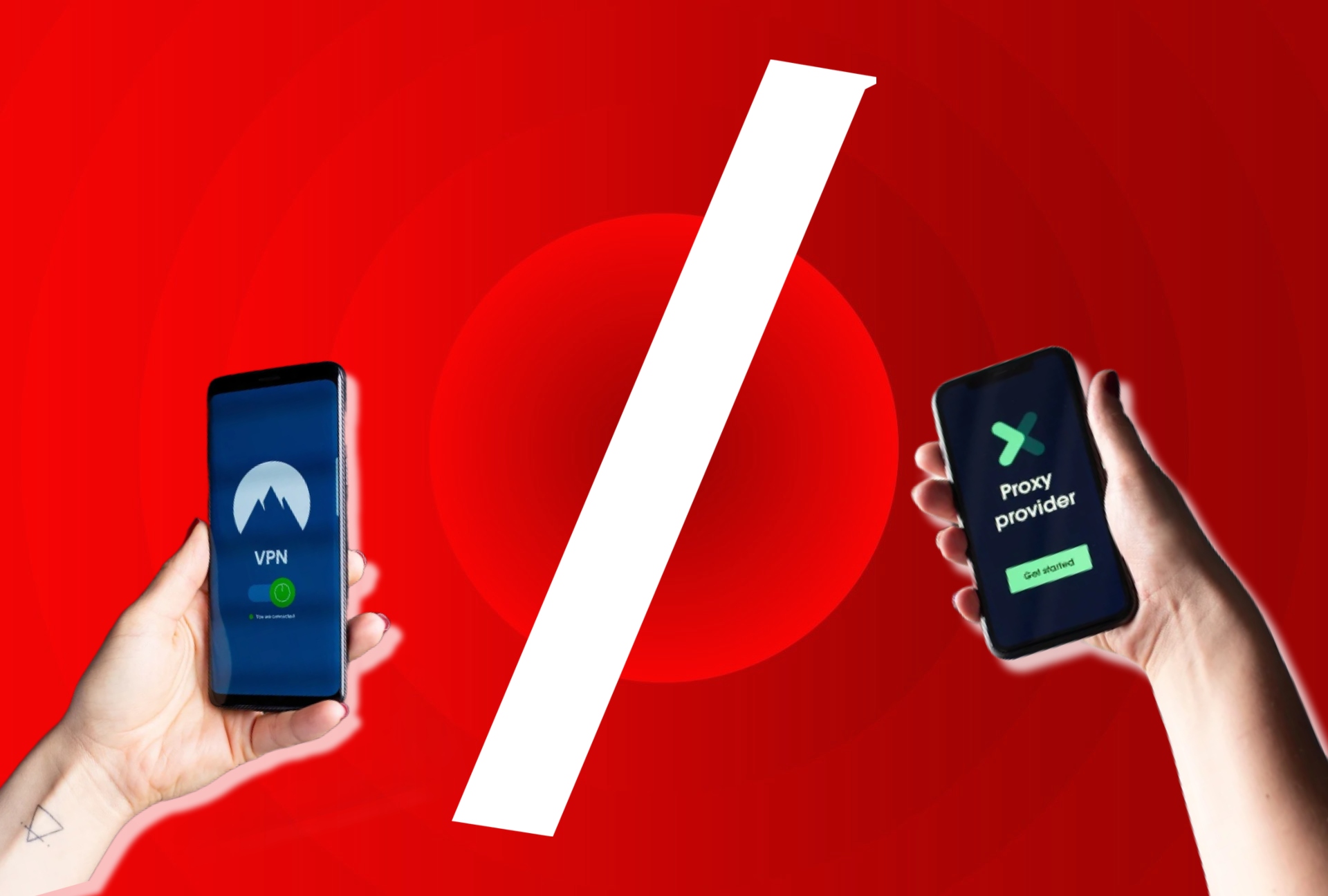

The proxy vs VPN question is one that anybody who has tried to get around online restrictions will have had to ponder. They’re the only real solutions available, and if you don’t know a lot about cybersecurity, you might essentially just write them off as being essentially the same thing. However, there are important distinctions between the two, and I’m here to break them down for you.
What is a proxy?
Proxy servers are typically used to circumvent restrictions on internet traffic. Many of us will have encountered them while we were in school as a way to get around search restrictions that are put in place to stop kids from playing games or accessing harmful content when they should be studying. Sometimes, people use them at work too so they can take a sneaky peep at social media instead of trawling through spreadsheets.
Proxies are usually limited to a specific app or browser. Your browser accesses the desired website via a dedicated proxy server, defeating the content block. Proxy servers are often free, although paid, ad-free servers are available. They keep logs of everything you do while you’re on, so you can get around restrictions, but they don’t offer any privacy. In fact, if you’re planning to do online shopping (or anything else that requires card details), it’s probably best to avoid proxies, as they might be making copies of your card details.
What is a VPN?
A virtual private network (VPN) lets you create an anonymous connection with a website or other online service. Much like a proxy, this also relies on a dedicated server, which circumvents content blocking, but the devil (or in this case, the angel) is in the details. Reputable VPNs do not keep any logs on user activities, and they have quite a lot of uses beyond merely accessing restricted content.
VPNs can be used for almost any purpose, from online shopping to protecting your data on a public WiFi network (e.g. in a shopping mall or hotel). They often come with a host of other privacy features, too, like ad-blockers, data breach detection systems, password managers, and more.
What’s the difference between proxies and VPNs?
The main difference between a VPN and a proxy is encryption. VPNs encrypt all of your data between your mobile or PC and the selected VPN server. This prevents any observer from viewing the data packets and determining your activity, what website you’re visiting, and what you’ve been searching for. Internet service providers (ISPs) also cannot see your online activity with a VPN on, which means they cannot easily determine how to prioritize traffic. If you’re using a gaming VPN, this can help to minimize latency.
In addition, VPNs support peer-to-peer (P2P) streaming, which is essentially just a more efficient way of streaming that puts less pressure on your device. They also offer multiple levels of encryption, making them popular solutions for internet access and safe communication in oppressive states.
Proxies do not offer encryption. They can hide your IP address and offer some level of anonymity, but compared with VPNs, proxies are slower and less secure. They can come in handy in a pinch if you’re on a device that you can’t download a VPN on for whatever reason.
Which should you choose: Proxy, or VPN?
Essentially, you should go for a proxy if you want to access restricted content, but:
- Don’t have any money to spare
- Can’t download a VPN for whatever reason
- Aren’t overly concerned with privacy
- Aren’t going to be handling highly sensitive information
However, you should get a VPN instead if:
- You don’t mind the extra expense
- You want thorough encryption for sensitive data
- You’re after additional privacy features
- You want to connect via servers around the world
In general, I’d recommend a VPN for most people, but I can see why some might opt for a proxy under certain circumstances. My advice to those seeking a proxy is to make sure that you research your chosen platform thoroughly, because many of them take huge amounts of data from you.
Having said that, free VPNs can often do the same thing (read our paid vs free VPN guide for more information). Any service that you’re using for something like this should be thoroughly vetted first. You’ll be fine with going for anything in our list of the best VPN services, like NordVPN (read our NordVPN review for more details), which will encrypt your data in a no-fuss, easy-to-use way, but with VPNs, as with all things, it doesn’t hurt to do your research first.
VPN newsVPN news#Proxy #VPN #what039s #difference1769294939
