

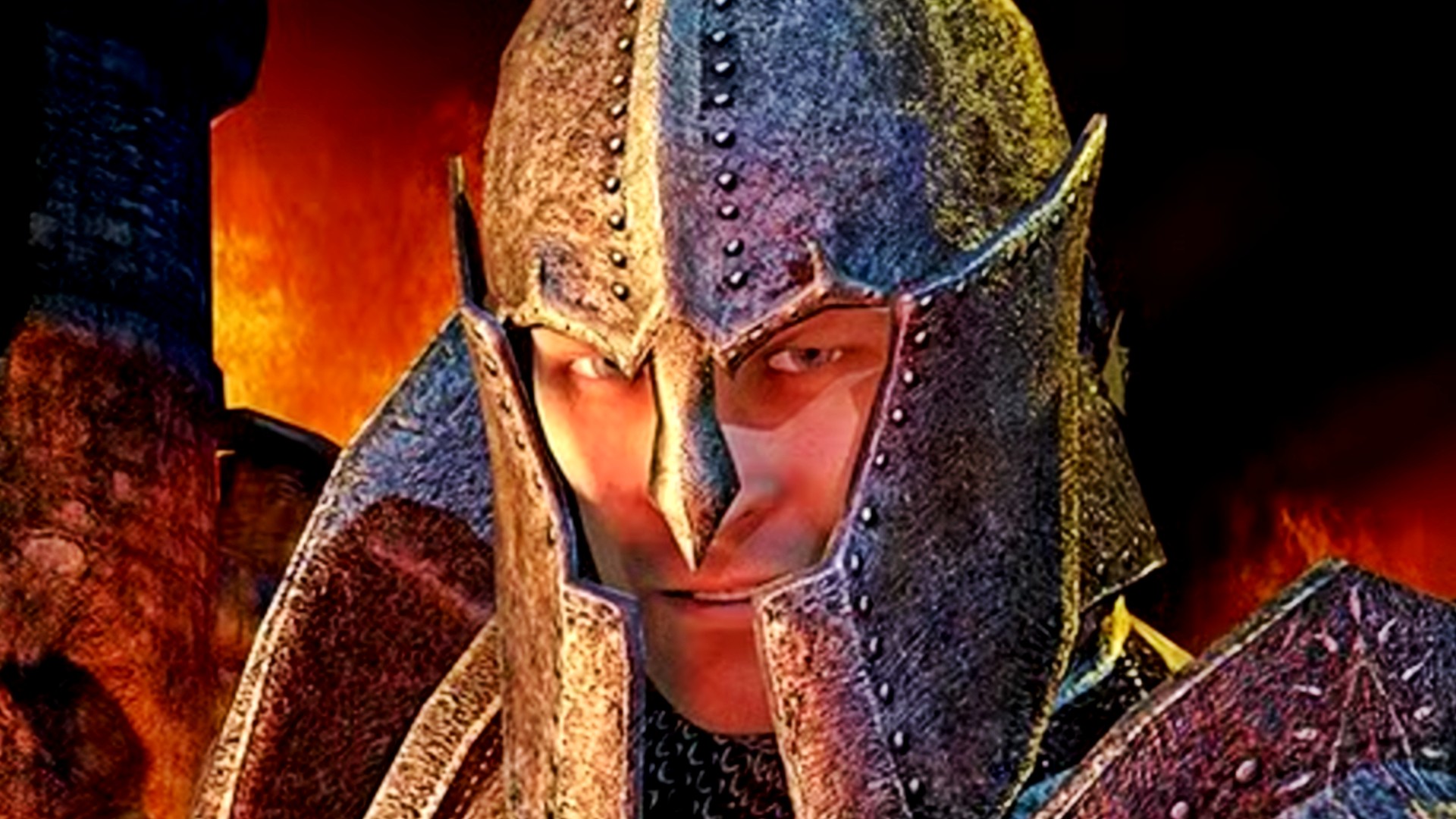
I remember buying The Elder Scrolls 4: Oblivion like it was yesterday. The day after it hit store shelves, I handed over my entire pocket money savings at a dearly departed Gamestation. The plastic film on the case was slightly warped from the weeks spent sitting in a warehouse somewhere. Nestled inside, an actual disc, and a glossy map of Cyrodiil folded into twelfths. Riding the high of a new game purchase, my childhood gang of misfit gamers eagerly followed me home to watch me install it. It wasn’t until that iconic swirling shot of the Imperial City, accompanied by the quasi-piratical main theme courtesy of acclaimed composer Jeremy Soule, that I cast about for any excuse to get them to leave. This was an experience I wanted to keep all to myself.
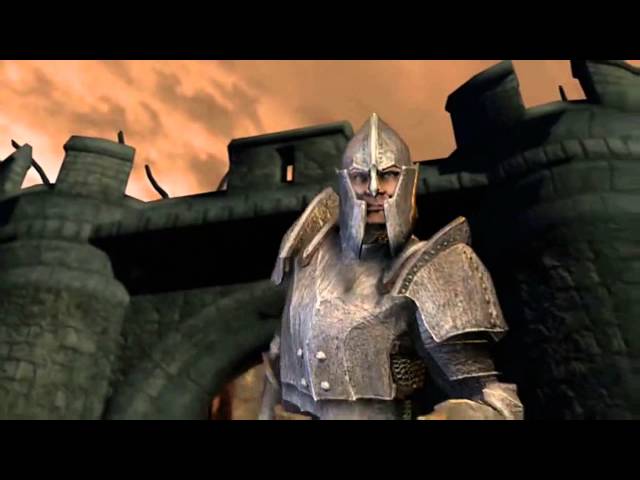
“I’ve never been the ruler of my own dreams,” Uriel Septum confesses in his opening monologue. He’s speaking literally here, but the irony strikes me whenever I embark on a new playthrough. In Oblivion, I am a ruler with all my dreams laid out before me, waiting to be fulfilled. I can become a pyromaniacal mage, a bare-knuckle fighter, and a vampiric lizard, all in one playthrough. This isn’t really specific to Oblivion; it’s the remit of RPGs as a whole. Nowadays, the freedom to mold your digital avatar like soft clay is exemplified in sprawling epics like Baldur’s Gate 3 and Dragon’s Dogma 2. While my fellow geriatric gamers might point to Neverwinter Nights or Morrowind as precursors, Oblivion opened the gate to modern game design by balancing mechanical accessibility with emergent narrative.
It isn’t lost on me that I was in the minority of people who played Oblivion on PC. This was, frankly, baffling to me at the time. PC had always been the platform du jour for western RPGs, but Oblivion forced me to reevaluate. I looked on with a mix of fascination and consternation as one friend spent entire evenings in front of his Xbox 360, scrolling through menus that I couldn’t imagine navigating with a controller. My preferences aside, as a flagship title for Microsoft’s most successful (and developer-friendly) console, there’s no question that Oblivion imbued a new generation of console gamers with an appetite for an experience that had largely been the PC’s domain. Oblivion paved the way for Skyrim’s platform multiplicity, and in turn, widened the net to capture handheld consoles, virtual voice assistants, and, er, smart fridges. It’s an omnipresence that’s only matched by Doom.

Bethesda’s dedication to Oblivion’s winning formula has waxed and waned over the years. It’s no secret that I’m not a fan of Starfield. I didn’t love the story, I didn’t love the combat, and I absolutely hated the sheer amount of glorified fetch quests jammed into every corner of its universe. Contrast this with Oblivion’s quest library, which boasts an adventure in a watercolor painting, a morning-after hijacking at sea, and a genuine murder mystery written by Emil Pagliarulo at his best. Yes, Oblivion is not without its tedium – I refuse to pick up the “Go Fish” quest on principle – but Starfield’s bedrock of procedural generation is an incompatible foundation to build quests that are both organic yet singular. Meanwhile, Bethesda’s own contemporaries have used Oblivion as a lodestone, from Elden Ring to Kingdom Come Deliverance.
Almost anything with such a high level of influence has an ambivalent legacy, and Oblivion is no different. You cannot decouple it from horse armor, a precursor to modern-day microtransactions. The furor this cosmetic DLC caused at the time is hilarious in retrospect. Imagine paying two-and-a-half bucks to wrap your trusty steed in eye-searing gold platemail that serves no purpose?! It turns out the games industry could imagine all that and more. How would we have reacted two decades ago to Bethesda’s Creations scheme? As providence would have it, Crimson Desert launched the day before Oblivion’s 20th anniversary with a deluxe edition that includes the Exclaire horse tack set, complete with saddle and stirrups. The platemail is a very tasteful silver, for what it’s worth.

This anniversary also comes amid the backlash to DLSS 5’s AI upscaler. While looking back on Oblivion, Nvidia’s demonstration of its effects on Starfield’s Marika Boros isn’t far from my thoughts. Oblivion was cutting-edge for its time, especially on PC, but Gamebryo’s potato faces were apparent even back in 2006. Virtuos treated its NPCs to a UE5 facelift in the remaster, but even that incremental upgrade left me perturbed. Their ugliness has a reputational charm, dragging the height of its fantasy back down to earth. To see the doughy face and beady eyes of an Imperial City Guard receive the AI Kendall Jenner treatment would be the death knell of an aesthetic that’s defined Bethesda for decades.
I called Oblivion Remastered “unnecessary” in my review, and I stand by that. It was all the excuse I needed to return to an RPG so seminal to my gaming identity, but in fairness, literally any excuse would do. More than anything, it made me realize just how old I am. Oblivion Remastered wasn’t handed to me in a case last year. It didn’t arrive on a compact disc – lucky for me, because I don’t have a disc drive to run it if it did. Instead, it was delivered to me, like most videogames these days, via the clinical letters and numbers of a Steam redemption code. I have to pay extra for the digital artbook, so I don’t know if it includes a map of Cyrodiil.

Now, on Oblivion’s 20th anniversary, I am looking outward rather than in. Oblivion is just one stepping stone in a decades-long path across treacherous waters. Ahead, a deluge of emergent technology and revenue models threatens to wash away gaming’s human fingerprint. Bethesda’s influence as an RPG juggernaut has waned thanks to Starfield. However, we can’t rule out the possibility that The Elder Scrolls 6 might redefine the course of role-playing game design for the decades beyond its eventual release. Do I expect horse armor? Yes, but tactfully tucked away in the Creations storefront. Do I expect fetch quests? Undoubtedly. But in the words of Uriel Septim, “I have seen the gates of oblivion.” We should probably think about closing them soon.
The Elder Scrolls 4: Oblivion Remastered,Bethesda, Virtuos,Bethesda,The Elder Scrolls IV: Oblivion Game of the Year Edition,Bethesda Game Studios,Bethesda SoftworksThe Elder Scrolls 4: Oblivion Remastered,Bethesda, Virtuos,Bethesda,RPG,The Elder Scrolls IV: Oblivion Game of the Year Edition,Bethesda Game Studios,Bethesda Softworks#Oblivion #turns #today #Bethesda #return #roots #Elder #Scrolls1774021424
