

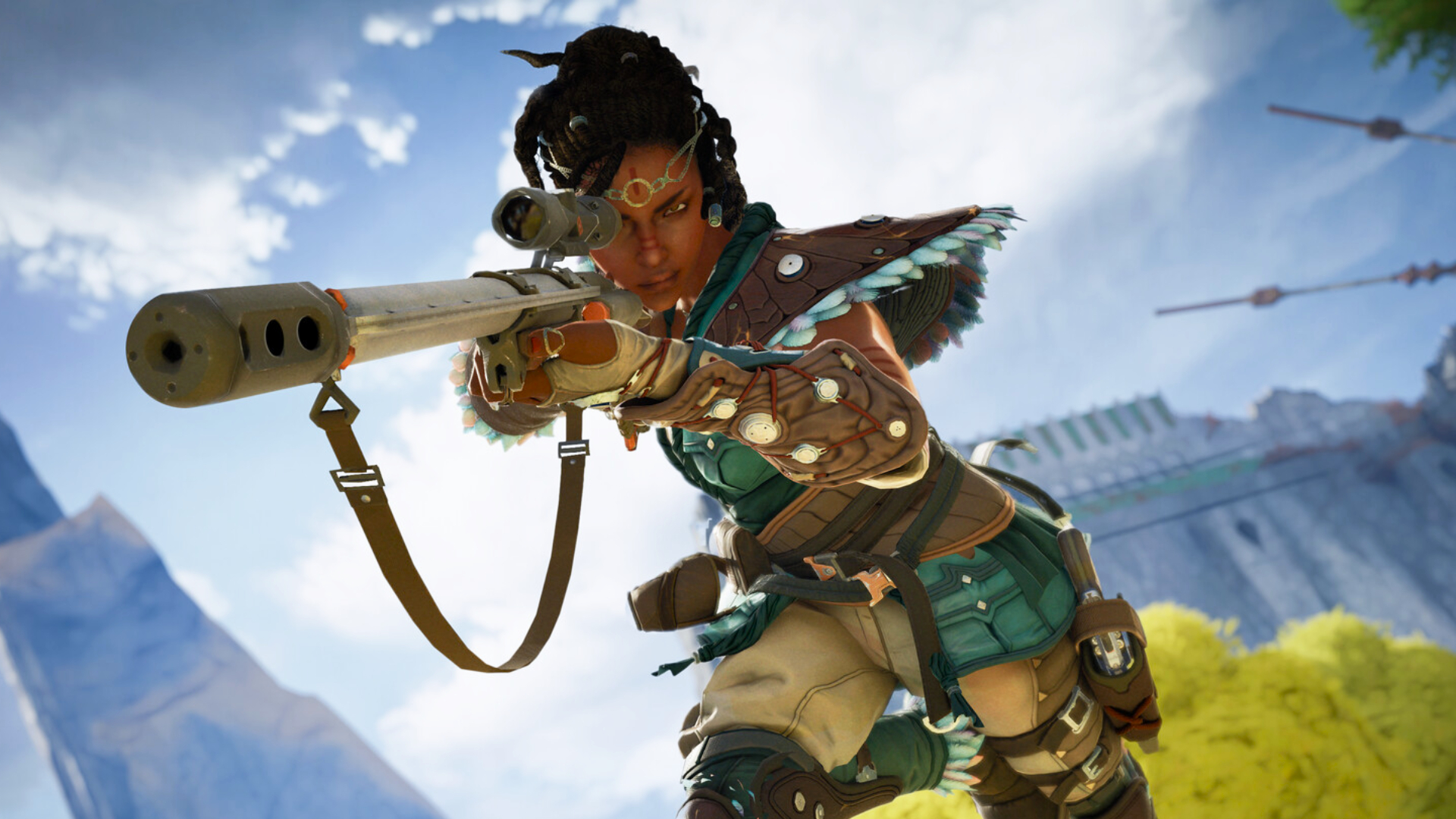
Highguard is, in many ways, my most-anticipated game of January. Its distinct lack of post-reveal marketing intrigued me, and the idea of a high fantasy extraction FPS game certainly feels very Lauren. It didn’t exactly wow me at The Game Awards, however, feeling somewhat like a chimera of the myriad shooters we’ve seen release over the past few years. The response to its launch has been equally lukewarm, and the internet generally appears divided. While Steam says that 37% of players have left a positive review, if you filter by playtime (we looked at reviews that had logged more than five hours in-game), that number soars to 78% positive – a marked difference from what Steam initially suggests.
But the war rages on. My X timeline has been a battleground between stalwart Highguard defenders, and people who truly seem to hate the game. I’d argue that everything feels somewhat overblown: yes, it wasn’t the game to end the TGAs on, and yes, Geoff Keighley’s persistent posts are a little much, but I really don’t understand the intensity of the hate.
That’s where Larian boss Swen Vincke comes in. Coming in hot following the publisher’s AI backlash, the Baldur’s Gate 3 icon is sick of people “shitting” on new videogames, and while he doesn’t mention Highguard directly, that definitely feels like the thread’s inspiration.

“I don’t like people shitting on things others have created,” Vincke begins. “Putting something out into the world makes you vulnerable, and that alone deserves respect, even if you dislike the creation. It’s easy to destroy things, it’s a lot harder to build them. The best critics understand this. Even when they’re being critical, they do their best not to be hurtful.
“Sometimes I think it’d be a good idea for critics to be scored, Metacritic-style, based on how others evaluate their criticism. I like to imagine it would encourage a bit more restraint. The harsh words do real damage. You shouldn’t have to grow callus on your soul just because you want to publish something.
“There’s plenty of games I genuinely don’t like playing and there are many I know are made for the wrong reasons,” he continues. “However – it’s incredibly rare for one to be made without there being someone behind it that truly cared about what they were making, putting a part of themselves in it.”

“One of the best reviewers I ever knew refused to review games he considered failures. He believed that developers deserved the chance to try again. He knew that every failed attempt could be what enabled the next great one. I know this because I was one of those developers that failed. And he only told me many years later.
“So yeah – be nice to people that create things is what I’m trying to say. You need them.”
The issue, however, is that most videogames cost serious money these days. Dropping $50 (now up to $80) on a new game isn’t an easy call for most players, so there’s the pressure to make a well-informed, good choice.
Vincke goes on to address this, writing: “I get that if people are charging money, you want to know if it’s good or not. But reviewers can just say – I didn’t enjoy it or I don’t think it’s well made or I don’t think it’s worth the money they are charging. That’s enough. No need to get personal for the sake of some likes, or headlines if you’re press”

While most people agree that being cruel or criticising creative work in bad faith is unhelpful, Vincke’s comments have proven somewhat divisive. “This is true until money is involved,” reads one response. “Then it’s not ‘Putting something out into the world,’ it’s charging for a product and the customer has every right to run it through the ringer.”
Vincke then added an “addendum” to his thread, noting “it needs to be said apparently – but I don’t like developers or publishers shitting on players either. And I certainly don’t like those that milk players who love their game. I understand why players are upset by it. It upsets me too. I hate it wholeheartedly and vowed that Larian would never engage in it.
“My little thread isn’t about defending these practices. What I’m trying to say is that most creative souls are sensitive souls and those sensitive souls are the ones that care the most. When they check out because they can’t handle the vitriol, we all lose because what’s left are those that don’t care.
“There’s other ways of dealing with player exploitation,” he continues, concluding “not playing the games is probably the best one. You don’t have to verbally hurt the people behind the game to express your disdain. If enough people stop playing the games that don’t respect players, those in charge will get the message and change course soon. There’s enough other games there.”

The videogame industry – and ecosystem as a whole – certainly feels like it’s in an odd spot at the moment. My own X feed is filled with anger, so I understand Vincke’s perspective. But triple-A fatigue is real: we’re sick of sprawling yet sparse open worlds, or battle passes with even more cosmetics. Criticism helps developers grow, but “shitting” on games for fun does nothing. So yeah, TLDR? Don’t be a dick.
Baldur’s Gate 3,Larian Studios,HighguardBaldur’s Gate 3,Larian Studios,RPG,Early Access,Highguard#Larian #boss #sick #players #quotshingquot #games #feels #he039s #talking #Highguard1769639934
