


I was somewhat surprised that Witcher 3 and Cyberpunk 2077 developer CD Projekt Red decided to sell its online games store GOG late in 2025, but unsurprised by who bought it. Michał Kiciński was a co-founder and joint CEO of CDPR, including in 2008 when it launched GOG. After parting ways with the company in 2011, he’s reacquired the storefront in order to challenge Steam’s hegemony and commit to providing players with DRM-free games for them to play any time, any place.
For those unaware, DRM is touted as anti-piracy software, but often requires additional sign-ins or registrations in order to play games you’ve bought. Ever been flummoxed by trying to play a single-player game on your Steam Deck only to find it requires an online connection to launch for some reason? That’s likely DRM in action.
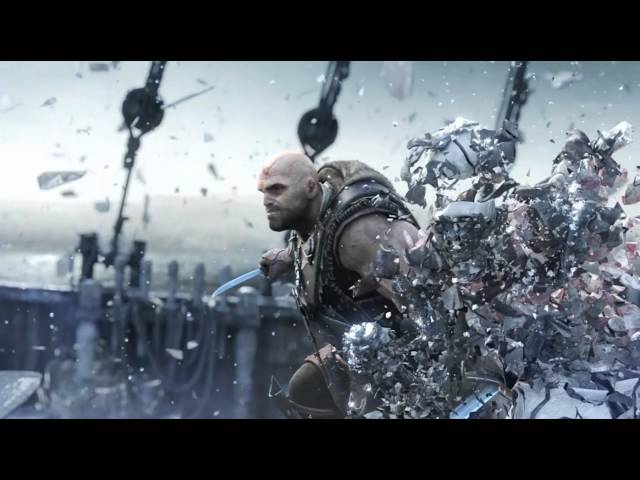
The Witcher 3 was a commitment to this anti-DRM stance from CD Projekt, and it’s one of the few Steam games to not utilize the software. Countless other games use it, from RPGs to first-person shooters, but Kiciński doesn’t believe it helps to avoid piracy, and that it can impact games’ performance to boot.
“Since the very beginning, we haven’t seen DRM as a solution for piracy, because the games get pirated anyway, nearly day one,” he tells GamesIndustry.biz in an interview. “We see DRM as something which can make the life of a legal customer more difficult. The only reason to keep it alive can be to please the owners of the games, because that’s their requirement quite often.”
While he says that his stance is less controversial than it has been in the past, it has come back to bite him before. He notes that CDPR’s own publisher sued the developer when it removed DRM from The Witcher 2 to improve performance, despite the fact the game had already been pirated. He says GOG has lost business with some publishers due to its commitment, but has gained business with others.

As for the future, GOG is unsurprisingly doubling down on its USP. “This is a core value of GOG, and there’s no signs that it might die in any visible future,” he says. “This is not only an ethical value, but it’s also very pragmatic. It helps people to enjoy games no matter what happens with the software provided by the platform or what internet connection they have.”
While this may come across as the DRM-free shopkeeper (and co-founder of the shop itself) poo-pooing the concept of DRM to drum up business, Kiciński’s stance has remained consistent throughout the years, and is popular with gamers who enjoy the notion of being able to play the games they’ve bought wherever and whenever they please.
It’s particularly poignant in the wake of Anthem’s shutdown and more games being delisted from online platforms every week. While there are other factors in play, such as servers for online multiplayer games, purchasing games without DRM would allow you to play them even after publishers have removed them from sale.

While Kiciński freely admits that “Steam is winning with its ease of use,” he believes that “much can be done in GOG without losing its core values and the way it operates in general.”
Will it ever be a true competitor to Valve’s storefront, which has more concurrent users than there are people in Canada? It seems unlikely, especially when the might of Epic Games has struggled to come close with its own offering. But Kiciński is committed to staying true to his moral code, and that’s admirable in its own right.
The Witcher 3: Wild Hunt,CD Projekt Red,CD ProjektThe Witcher 3: Wild Hunt,CD Projekt Red,CD Projekt,RPG#GOG039s #owner #DRM #life #quotmore #difficultquot #customers #sees #quotno #reason #alivequot1768315197
