

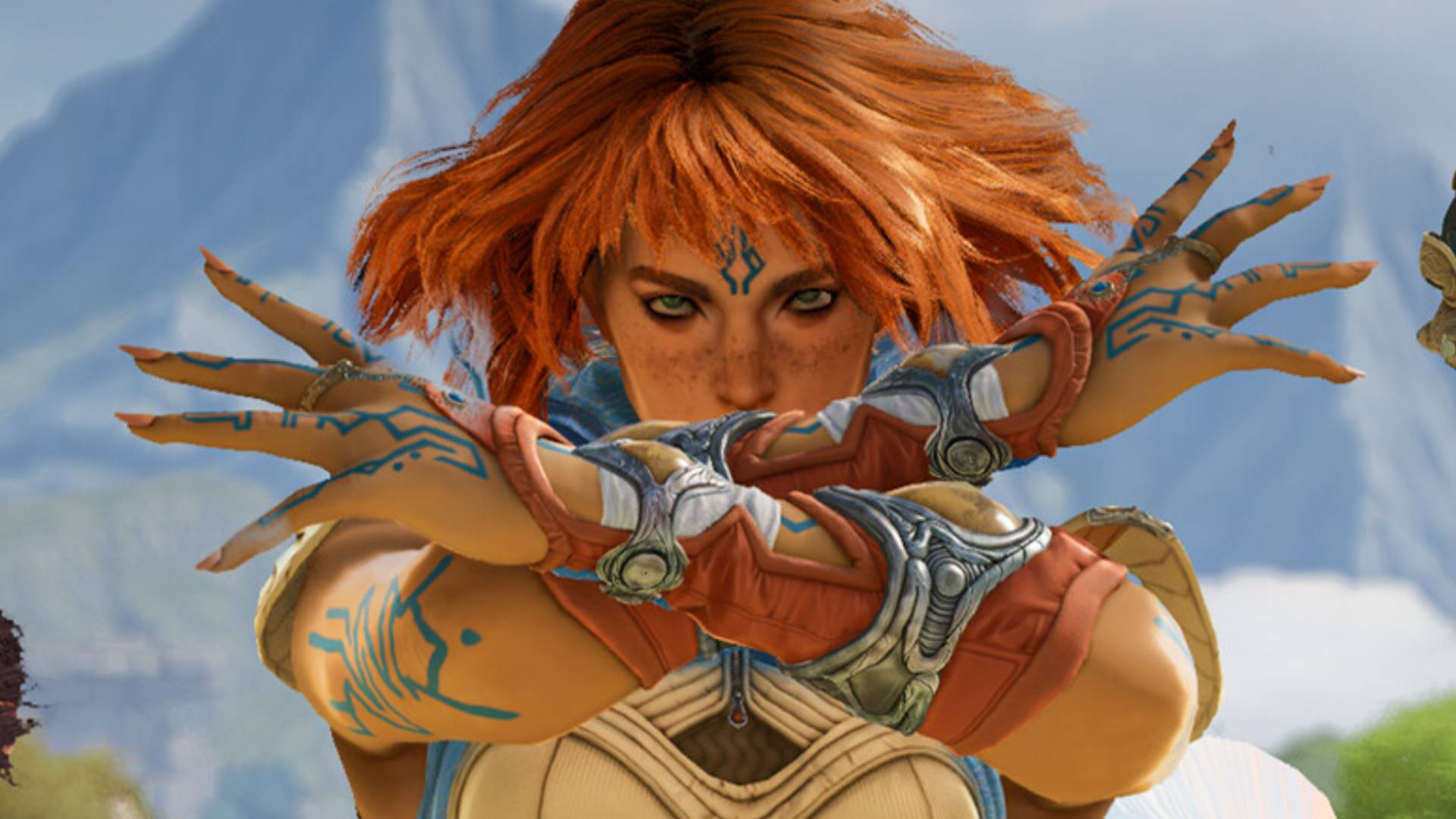
Something really peed me off about Highguard‘s launch, and it wasn’t just the inconsistent servers. As soon as the game launched yesterday, everyone raced to post Steam charts and that dreaded ‘overwhelmingly negative’ tag on social media. As is now the norm, forum threads offered users the chance to predict the game’s peak player count in the first week. But we can’t truly judge a game from just numbers and graphs, especially ones so easily manipulated. It turns out that, if you look past the review bombs from players who have hardly touched the game, Highguard’s stats tell a different story.
Highguard sure had a weird marketing cycle, I’ll give you that much. It was clear to me that it was intended to be shadowdropped (ask my editor, I predicted this in Slack days before the devs confirmed as much), and the aftermath of the strange Game Awards ‘one last thing’ trailer was the complete opposite of hype. Developer Wildlight Entertainment needed to get it into players’ hands, but the launch was rocky.

I love the Apex-like gunplay of Highguard, but there’s clearly room for improvement in other areas. Looting is too slow, maps are too big for so few players, and we really need some PvE elements to keep those farming stages of the match engaging. Above all, however, the server stability needs assessing. This is often the case for new multiplayer games – I remember Apex Legends having exactly the same problem on launch – but players aren’t being fair.
Take a look at the Steam reviews and you’re immediately met with the angry, red ‘mostly negative’ tag, with 67% of players writing a bad review at the time of writing. Read some of these, however, and you’ll see that most have barely touched the free-to-play game. People write utter nonsense with 0.1 hours of playtime. If you sort through them to find the actual players, however, things look slightly better.
I sorted the Steam reviews to remove any that came from players with under five hours of playtime. On the day of the game’s launch, that feels like a good measure of people who’ve given it an honest try and have come to an early verdict. The reviews turn from ‘mostly negative’ to ‘mostly positive,’ with 78% of the 921 reviews landing on a positive sentiment. Obviously this sample size is much smaller, but it also represents players who haven’t rage quit after one disconnect or had already made up their minds about the game.

This isn’t a stellar review score by any measure, but filtering the results tells a very different story to the negative tag plastered on the Steam page. It’s the story of a game that’s got problems, but gets a lot of things right. A game that some players seem to enjoy and, if the developers listen to feedback and support it going forwards, could have a legion of loyal fans returning every day.
Highguard’s launch has been chaos. Beyond the strange Game Awards debacle, anti-fans have review bombed it for no compelling reason, and the game even faced brief backlash after streamer Guy ‘Dr Disrespect’ Beahm, who Twitch cut ties with due to his inappropriate messages to a minor, lied about being invited to its preview event. But if there’s one way of cutting through the noise and figuring out if a game is good or not, it’s by playing it yourself.
Highguard is available now for free. You can download it from Steam here.
If nothing else, Highguard’s complex launch is proof that games are in a weird place right now. Fans will review bomb because of a weird trailer that was coaxed out of a dev team by a man trying to fill his pseudo awards show. Others will judge based on graphs and charts rather than playing for themselves. Steam’s review functionality is fundamentally broken for free-to-play games.
I don’t know how Highguard will fare from hereon out, but I hope it can shake off all this weirdness and figure out answers to its biggest problems. With more stable servers and a rethink on that pre-raid phase, Highguard could be real fun.
HighguardHighguard#Highguard #positive #rating #Steam #players #who039ve #fair #shake1769563446
