

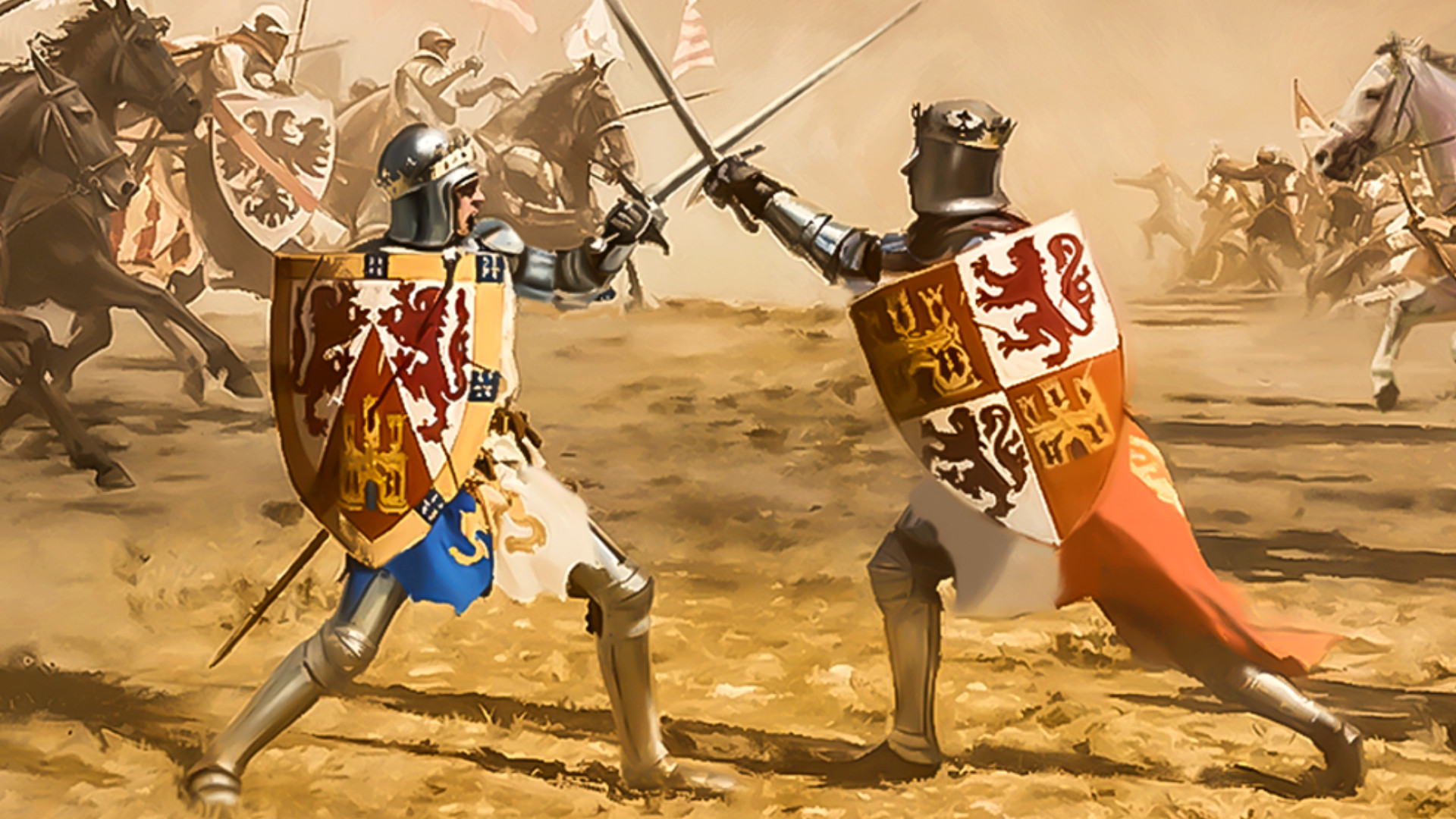
The first big Europa Universalis 5 update is looking to be just what it needs as developer Paradox Tinto aims to build on a largely excellent foundation to ensure EU5 can truly cement its spot among the best grand strategy games around. The team has had plenty of time to watch a wide audience get to grips with everything on offer, which allows the kind of in-depth, rigorous testing that you can only get once your game is out. Based on this, it’s tackling some key frustrations, including the fine balance of enemy-AI aggression, and the somewhat stale nature of its economic system.
Europa Universalis 5 update 1.1, or ‘Rossbach’ to give it its proper name, is going to be a big one. We’ve already looked through Paradox Tinto’s UI overhaul and some of the new features like EU4’s returning army builder tool, but now it’s time to dig into more of the core gameplay adjustments and additions we can expect. That begins with AI aggression, which has been tough to find a sweet spot on – the developer ratcheted it up in an early patch, but admits “the experience for the majority of players was not positive.”
As such, it’s scaled the standard values to feel “far less aggressive than the AI was in 1.0.10,” but is introducing game rules that will allow you to opt into a more dangerous setup. Following the most popular mod for AI behavior, it’s adopted the 24-month standard between wars as the default value, whereas the high-aggression option will keep that accelerated rate of a mere six-month gap between conflicts.

“There have been a fair bit of complaints about some aspects of the economic system, and we have tried to address as many of them as possible,” studio manager Johan Andersson writes. That includes more differentiated markets, with local production efficiency bonuses now representing the impact of available input goods. ‘Potential Tax Base’ has been renamed to ‘Wealth’ for clarity, and tax income that was ‘lost’ due to lack of control will now go directly to your estates.
The balance of economic power has been shifted slightly. You’ll have a tougher time taxing the nobility, while a ‘Peasant Enfranchisement’ system represents how factors such as serfdom, location ranks, and estate privileges can pull even more money away from the working commonfolk and pour it into the pockets of the nobles. It’s up to you to decide how that impacts your approach, of course.
In order to spread out proximity and control so not all countries are built around a single powerful hub, Paradox has implemented adjustments to bailiffs and river bonuses, combined with new buildings for your ‘mini-capitals’ and checks on road networks that reach your main capital. It’s also doubled the population growth from food, which can now decay over time, with the rate impacted by the likes of climate, weather, and hostile armies in the province.

The Holy Roman Empire, a key fixture of the UE5 early game, was often disappearing too quickly. As such, Andersson details balance changes to ensure it won’t be “gobbled up by France, England, and Bohemia by the early 15th century.” Among these, the current emperor will now avoid declaring offensive wars against fellow members of the HRE, and its key Golden Bull policy gets cheaper to enact with each year that passes, becoming “literally free” by 1377.
Elsewhere, the new unit formation autobalancing will now offer a selection of templates to choose from, and any armies where the most populous unit type is less than 50% of the total forces will grant you a ‘combined arms’ bonus. This latter change is part of a push “to encourage a more varied army,” Andersson explains. In the specific case of the Steppe Horde, you’re able to earn this benefit with up to 70% of a matching unit.
More diplomatic actions have been introduced, including the ability to transfer one of your subjects to another country, or move locations between subjects to adjust your borders (Andersson notes that “the AI will never do this”). You can now lock specific production methods to prevent automation from changing them. There are also new peace treaties, featuring some extra stipulations such as taking maps from the other side.

Waiting on a rival to fall foul of a civil war? Help instigate it at the perfect time by provoking the rebels. Alternatively, if an estate is thoroughly unsatisfied, you can use the new appeasement cabinet action to gradually grow their happiness over time. There’s a new toggle to set fleets to automatically escape to ports when at war.
To bring this latest preview of the Rossbach update to a close, Andersson mentions that any further advances added to the EU5 tech trees moving forward “will be added in appropriate places.” This should avoid any potential situations where you feel as though you need to restart the whole campaign to take advantage of them. There’s still more new content to look forward to next week before this mammoth Europa Universalis 5 patch arrives, so stay tuned to see what else is in store.
Europa Universalis 5,Paradox Tinto,ParadoxEuropa Universalis 5,Paradox Tinto,Paradox,Strategy#Europa #Universalis #fixing #aggression #economic #woes #stopping #Holy #Roman #Empire #quotgobbled #upquot1769357159
